
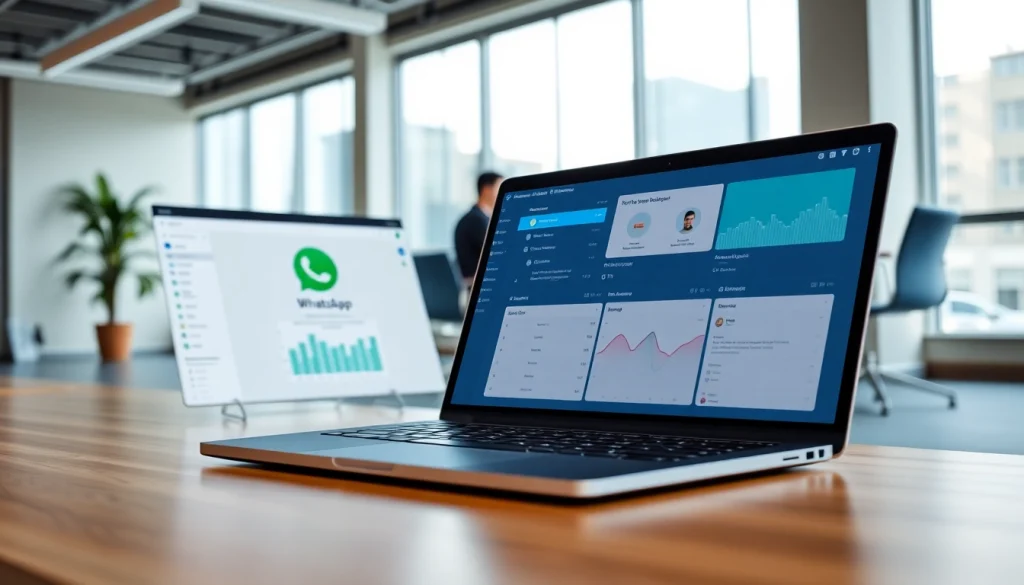
Introduction to WhatsApp Business CRM
In today’s digital age, effective communication is paramount for successful business operations. One tool that has steadily grown in popularity for this purpose is WhatsApp. When coupled with CRM (Customer Relationship Management) systems, it transforms into a powerful force for customer interactions. The WhatsApp Business CRM allows businesses to streamline their customer engagement processes, making it easier to connect, track, and nurture relationships. This article delves into the intricacies of WhatsApp Business CRM, providing insight into its features, benefits, best practices, and future trends.
Understanding CRM Basics
CRM systems are essential for businesses aiming to manage and analyze customer interactions and data throughout the customer lifecycle. The primary goals of a CRM system include improving business relationships, retaining customers, and driving sales growth. By consolidating customer information across different channels, businesses can provide personalized experiences that enhance customer satisfaction.
A well-implemented CRM enables organizations to track customer behavior, preferences, and engagement patterns. Whether it’s through emails, social media, or messaging applications like WhatsApp, having a comprehensive understanding of customer data is critical for making informed decisions and improving business strategies.
The Role of WhatsApp in Business Communication
WhatsApp has emerged as a favored platform for personal and professional communication alike. Its user-friendly interface, end-to-end encryption, and the ubiquity of mobile devices position it as the go-to messaging app for billions worldwide. For businesses, WhatsApp offers a direct line to customers, facilitating quick and effective interactions.
Many consumers prefer utilizing messaging applications over traditional communication methods, resulting in significant engagement opportunities for businesses. WhatsApp allows for real-time two-way communication, enabling companies to address customer inquiries, share updates, and resolve issues promptly.
Benefits of Integrating WhatsApp with CRM Systems
The integration of WhatsApp with CRM systems presents a multitude of benefits that enhance customer experience and operational efficiency. Some key advantages include:
- Real-Time Communication: Businesses can interact with customers instantly, improving response times and fostering stronger relationships.
- Centralized Customer Data: Integrating WhatsApp with a CRM ensures all customer interactions are tracked in one place, offering a comprehensive view of customer history.
- Automation Features: WhatsApp Business CRM allows for automated responses to common queries, saving time and ensuring customers receive immediate feedback.
- Enhanced Engagement: Through personalized messaging and targeted communication strategies, businesses can increase engagement and conversion rates.
Key Features of WhatsApp Business CRM
Message Automation and Response Management
One of the standout features of WhatsApp Business CRM is its ability to automate messaging. Businesses can set up automated responses for frequently asked questions or create welcome messages for new customers. This not only saves time for customer service teams but also ensures that customers receive timely responses, enhancing their overall experience.
Furthermore, automatic responses can lead to improved efficiency, allowing team members to focus on more complex tasks while ensuring that simple inquiries are handled seamlessly.
Data Tracking and Customer Insights
Data tracking is paramount in understanding customer behavior. WhatsApp Business CRM allows businesses to capture data from each interaction, providing insights into customer preferences, response times, and engagement levels. By analyzing this data, companies can refine their communication strategies, tailor services, and develop targeted marketing campaigns.
Having access to enriched customer data enhances decision-making processes and helps in predicting future customer needs and behaviors.
Multi-Channel Communication Capabilities
The modern consumer interacts with brands across multiple platforms, from social media to email and messaging apps. A WhatsApp Business CRM integrates various communication channels, ensuring consistent messaging and interaction across all touchpoints. This omnichannel approach allows businesses to reach customers where they are most comfortable, increasing the likelihood of conversion.
With a unified messaging strategy, businesses can create a cohesive brand experience that resonates with customers and strengthens brand loyalty.
Implementing WhatsApp Business CRM
Steps for Successful Integration
Implementing WhatsApp Business CRM involves several strategic steps:
- Identify Objectives: Clearly define what you aim to achieve with the integration, such as improving customer service or increasing sales.
- Choose the Right CRM Platform: Select a CRM that offers robust WhatsApp integration and suits your business needs.
- Set Up WhatsApp Business Account: Create a dedicated WhatsApp Business profile and link it to your selected CRM platform for seamless integration.
- Train Your Team: Ensure that your customer service and sales teams are adequately trained on using the CRM and WhatsApp effectively.
- Monitor and Optimize: Regularly review performance metrics and customer feedback to refine your approach for better outcomes.
Common Challenges and Solutions
While integrating WhatsApp Business with your CRM can be highly beneficial, businesses may encounter challenges during implementation:
- Data Privacy Concerns: Ensure compliance with data protection regulations by implementing secure processes for customer data handling.
- Integration Complexity: Work closely with your CRM provider to simplify integration processes and ensure a smooth transition.
- Employee Adaptability: Provide ongoing training and support to help employees adapt to new tools and workflows.
Best Practices for Optimizing Usage
To maximize the effectiveness of WhatsApp Business CRM, adhere to these best practices:
- Personalize Communication: Use customer data to create personalized interactions that resonate with individual needs.
- Utilize Analytics: Regularly review performance data to identify areas for improvement and optimize communication strategies accordingly.
- Encourage Feedback: Solicit customer feedback to refine messaging approaches and respond accordingly to customer expectations.
Success Stories: Businesses Using WhatsApp Business CRM
Case Study: Increased Sales Through Automation
One remarkable success story involves a mid-sized retail company that implemented WhatsApp Business CRM for their customer interaction procedures. By automating responses during peak shopping seasons, they were able to maintain customer engagement while significantly reducing response times. As a result, they observed a 20% increase in sales during their promotional events, showcasing the value of effective communication.
How Customer Support Improved with WhatsApp
A service-oriented business integrated WhatsApp Business CRM to handle customer inquiries. By centralizing all interactions within their CRM, they improved their response times, reduced abandoned inquiries, and enhanced overall customer satisfaction. This shift resulted in a noticeable rise in positive customer feedback and loyalty, demonstrating how effective communication can transform customer relations.
Engagement Metrics to Consider
Monitoring engagement metrics is crucial in assessing the effectiveness of your WhatsApp Business CRM integration. Key metrics include:
- Response Time: Measure how quickly customer inquiries are addressed.
- Customer Satisfaction Scores: Collect feedback on customer interactions to gauge satisfaction levels.
- Conversation Volume: Track the number of interactions to assess engagement levels.
Future Trends in WhatsApp Business CRM
Emerging Technologies Enhancing CRM
The future of WhatsApp Business CRM is poised for transformation with the advent of emerging technologies such as AI and machine learning. These technologies will enable predictive analytics, helping businesses anticipate customer needs and personalize communications further. Additionally, chatbots integrated with WhatsApp can provide 24/7 support, increasing operational efficiency while improving customer satisfaction.
Consumer Expectations and Communication
As consumer expectations rise, businesses must adapt their communication strategies accordingly. Customers are increasingly seeking seamless, real-time interactions and personalized experiences. WhatsApp Business CRM will play a vital role in meeting these demands, allowing companies to implement more dynamic, responsive communication pathways.
Adapting to Changes in Customer Behavior
In an ever-evolving market, consumer behavior is continually changing. Brands must be versatile and responsive to new trends, preferences, and challenges. Leveraging WhatsApp Business CRM enables organizations to adapt quickly to these shifts, ensuring they maintain relevance in a competitive landscape.