
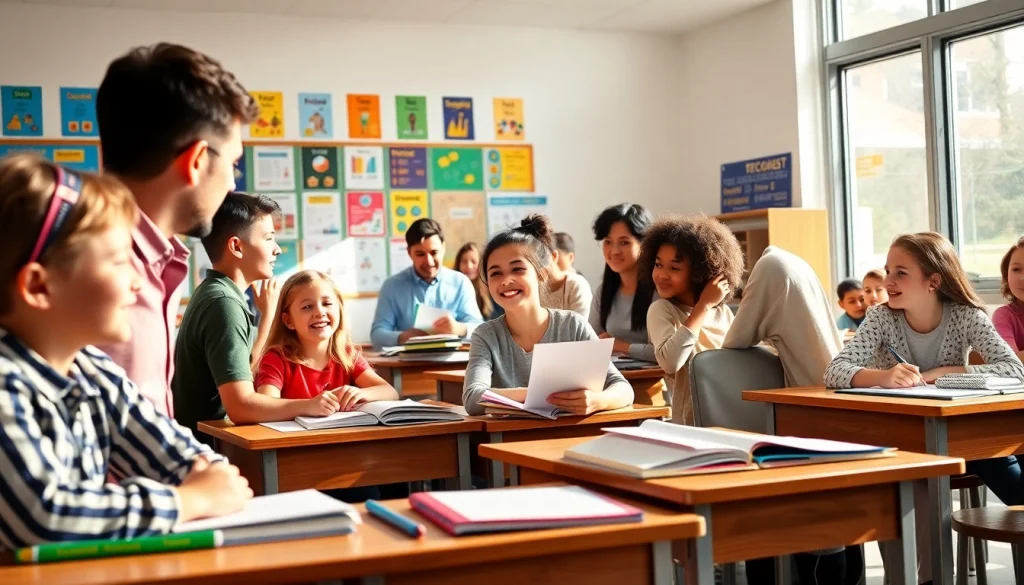
Understanding Education Concepts
The Definition of Education
Education, at its most fundamental level, is the process of acquiring knowledge, skills, values, and attitudes through various forms of experience and instruction. The World Bank defines education as a means for promoting economic development, personal growth, and social equity. It encompasses both formal channels, such as schooling, and informal methods, including life experiences and self-directed learning. This rich tapestry of learning experiences shapes individuals, prepares them for life challenges, and equips them for participation in society.
Key Components of Effective Education
Effective education is built on several key components that collectively foster a successful learning environment. These components include:
- Curriculum: A well-structured curriculum that aligns with educational standards and student needs ensures comprehensive learning. It should encompass a variety of subjects and skills relevant to contemporary society.
- Instructional Strategies: Varied teaching methods such as direct instruction, collaborative learning, and differentiated instruction cater to diverse learning styles. This adaptability enhances student engagement and retention.
- Assessment: Continuous assessment drives learning progress. It helps educators understand student comprehension and adapt approaches accordingly.
- Environment: A supportive learning environment includes physical space, psychological safety, and accessibility. It allows for collaborative learning and respects diverse backgrounds.
- Technology Integration: Utilizing technology in education magnifies learning opportunities, providing access to resources and fostering innovative teaching methods.
The Role of Technology in Education
Technology has transformed education immensely. It offers unique tools that revolutionize traditional learning methodologies. Online platforms, digital resources, and educational software create dynamic, interactive learning experiences. For instance, learning management systems enable educators to share resources and track student progress effectively. The integration of technology caters to personalized learning, allowing students to learn at their pace. Technology also enhances collaboration, enabling students to work together beyond geographical boundaries. With resources such as Education platforms, both teachers and learners embark on a journey of endless discovery.
Strategies for Engaging Learning Environments
Creating Interactive Learning Spaces
Engagement is critical for effective learning. Creating interactive spaces encourages participation, curiosity, and collaboration among students. Strategies for promoting interactive learning include:
- Flexible Seating: Implementing varied seating arrangements allows students to move and collaborate freely, accommodating diverse learning preferences.
- Hands-on Activities: Incorporating experiments, projects, and real-world tasks facilitates experiential learning, enhancing comprehension and retention.
- Technology Use: Interactive whiteboards, tablets, and digital resources provide instant access to information and promote engagement through gamification.
Utilizing Group Work in Education
Group work cultivates teamwork, critical thinking, and communication skills. Collaborative projects encourage students to share ideas and develop social-emotional skills. Effective group work strategies include:
- Defined Roles: Assigning specific roles within a group clarifies responsibilities and promotes accountability.
- Structured Guidelines: Clear guidelines and objectives help groups stay focused and productive.
- Reflection Opportunities: Post-group discussions allow students to reflect on their experiences, enhancing future collaborations.
Fostering Inclusivity in Classrooms
Inclusivity is paramount in education to cater to diverse learners. An inclusive classroom respects differences in abilities, backgrounds, and learning styles. Strategies for fostering inclusion include:
- Differentiated Instruction: Tailoring lessons to meet diverse needs ensures all students can engage with the material.
- Celebrating Diversity: Recognizing and valuing diverse perspectives enriches the learning experience for everyone.
- Creating Support Systems: Implementing mentorship programs or peer tutoring supports students facing challenges.
Best Practices in Education
Curriculum Development Essentials
Curriculum development is a critical process that requires thoughtful consideration of student needs, societal demands, and educational standards. Best practices in curriculum development include:
- Stakeholder Collaboration: Involving educators, parents, and community members in curriculum design ensures alignment with community expectations.
- Alignment with Standards: Curriculum should align with local and national education standards to ensure quality and relevance.
- Ongoing Evaluation: Regular assessments of curriculum effectiveness provide insights for revisions and improvements.
Assessment Techniques that Enhance Learning
Effective assessment techniques provide valuable insights into student learning. Techniques include:
- Formative Assessments: Ongoing assessments, such as quizzes, reflections, and discussions, allow for immediate feedback and instructional adjustments.
- Summative Assessments: End-of-unit tests and projects evaluate overall understanding and mastery of content.
- Peer Assessment: Encouraging students to assess each other fosters critical thinking and reflective skills.
Feedback Mechanisms for Continuous Improvement
Feedback is essential for growth, both for students and educators. Effective feedback practices include:
- Specific and Timely Feedback: Providing specific recommendations and constructive criticism enhances learning outcomes.
- Encouraging Self-Assessment: Involving students in evaluating their own work fosters a growth mindset and responsibility for their learning.
- Creating Safe Environments for Feedback: Establishing a culture of trust encourages open communication and constructive criticism.
Addressing Challenges in Education
Common Obstacles to Learning
Understanding and addressing common obstacles in education is vital for fostering effective learning. Challenges may include:
- Lack of Engagement: Factors like boredom or irrelevant content can lead to disengaged students.
- Diverse Learning Styles: Not all students learn in the same way, which may leave some feeling unsupported.
- Resource Limitations: Limited access to materials, technology, or support can hinder educators’ ability to teach effectively.
Methods to Overcome Learning Barriers
Addressing barriers involves strategically implementing solutions, such as:
- Active Learning Techniques: Techniques like project-based learning engage students by making the material relevant and experiential.
- Professional Development: Ongoing training for educators ensures they stay abreast of best practices and innovative teaching methods.
- Student-Centered Approaches: Tailoring learning experiences to fit student interests and needs enhances engagement and motivation.
Support Systems for Students and Educators
Establishing robust support systems is crucial for both students and educators. Effective support systems include:
- Counseling Services: Providing emotional and academic support helps students navigate school challenges.
- Mentorship Programs: Pairing students with mentors fosters personal growth and academic success.
- Professional Learning Communities: Facilitating collaboration among educators enables the sharing of effective practices and ideas.
Measuring Impact in Education
Setting Educational Goals and Objectives
Measuring the impact of educational practices begins with setting clear, achievable goals. Effective goal-setting strategies include:
- SMART Goals: Ensuring that goals are Specific, Measurable, Achievable, Relevant, and Time-bound provides clarity and focus.
- Alignment with Curriculum: Goals should align with curriculum objectives and long-term learning outcomes.
- Collaboration: Setting goals collaboratively fosters buy-in from all stakeholders and ensures diverse perspectives are considered.
Key Performance Indicators for Success
Measuring success requires identifying appropriate performance indicators that reflect educational outcomes. Indicators may include:
- Student Achievement: Academic performance metrics, such as grades and test scores, provide insights into educational effectiveness.
- Engagement Metrics: Evaluating attendance rates, participation in activities, and student feedback can gauge engagement levels.
- Post-Secondary Outcomes: Tracking graduation rates and college readiness indicates long-term educational success.
Feedback Loop for Educational Effectiveness
Creating a feedback loop fosters continuous improvement in education. Key strategies include:
- Regular Data Analysis: Analyzing performance data regularly enables educators to identify trends and make informed decisions.
- Stakeholder Input: Gathering feedback from students, parents, and the community enriches the understanding of educational impact.
- Adaptive Strategies: Being open to changing tactics based on feedback and assessment data promotes a culture of improvement.