
Understanding Water Lilies: Types and Varieties
Water lilies are not just beautiful additions to ponds; they represent a diverse family of aquatic plants, each with unique characteristics and benefits. When exploring options, Buy Water Lilies can lead you to varieties that perfectly complement your garden’s aesthetic and ecological needs. From the blossoms that float serenely on the water’s surface to the intricate foliage that provides shelter for pond wildlife, understanding the types and varieties of water lilies can help you make an informed choice.
Common Types of Water Lilies
The most well-known types of water lilies belong to the family Nymphaeaceae, which includes both hardy and tropical varieties. The hardy water lily (Nymphaea) is suited for cooler climates and can survive winter temperatures, while tropical water lilies (Nymphaea) thrive in warmer regions and are known for their vibrant colors and larger blooms.
- Nymphaea ‘Blue Beauty’: A stunning blue flower that adds a pop of color.
- Nymphaea ‘Pink Sensation’: A beautiful pink bloom that attracts pollinators.
- Nymphaea ‘White Cap’: Offers subtle elegance with its soft white petals.
Color Variations and Their Effects
The color of water lilies can significantly impact the visual appeal of your pond. Darker varieties like deep reds and purples create a bold statement, while light pastels lend a tranquil feel. The color can also affect the temperature of the water, with darker flowers absorbing more heat and potentially benefiting the plant’s growth.
Choosing the Right Variety for Your Pond
When selecting water lilies, consider the climate, pond depth, and available sunlight. Hardy varieties are generally more forgiving and can adapt to various pond conditions, while tropical types require warmer water and plenty of sunlight. Knowing your pond’s characteristics will help you pick a variety that thrives.
Essential Care Tips for Water Lilies
Caring for water lilies can enhance their longevity and beauty within your pond ecosystem. Proper care involves optimal planting techniques, water quality management, and proactive pest control.
Optimal Planting Techniques for Success
To ensure healthy growth, plant water lilies in pots with aquatic planting soil. Position them so that the crown is just below the water surface, allowing the leaves to spread out freely. Additionally, avoid placing them in areas with strong currents or floating debris, which can hinder their growth.
Water Quality and Maintenance Practices
Maintaining water quality is crucial for the health of your water lilies. Regularly test the water’s pH levels, ideally between 6.0 and 7.0, to promote optimal growth. Clear away debris and fallen leaves to prevent decomposition, which can harm water quality.
Pest Management and Disease Prevention
Water lilies can be susceptible to pests like aphids and snails. Monitor your plants for signs of infestation and consider introducing beneficial insects, such as ladybugs, or use organic pesticides. Regularly inspecting your plants can help prevent diseases such as root rot, which occurs in stagnant water conditions.
Creating the Perfect Pond Environment
The environment you create for your water lilies heavily influences their growth and flourishing. A well-designed pond not only looks beautiful but also supports the ecosystem within.
Designing Your Pond for Aesthetic Appeal
Consider the layout of your pond when planting water lilies. Placing them strategically near the edges can create a striking visual contrast against the water’s surface. Incorporate rocks, gravel, and other natural materials to enhance the aesthetic appeal of your pond.
Companion Plants to Enhance Water Lilies
Enhancing your pond with companion plants can create a balanced ecosystem. Consider adding cat tails, marsh marigold or other native aquatic plants that can provide additional shelter and improve water clarity.
Dealing with Sunlight and Shade Conditions
Water lilies thrive in full sun but can adapt to partial shade. Be mindful of the amount of sunlight your pond receives throughout the day and make adjustments as necessary. If your pond is heavily shaded by surrounding trees, consider pruning branches or selecting shade-tolerant varieties.
The Benefits of Adding Water Lilies to Your Garden
Incorporating water lilies into your garden offers numerous benefits, from enhancing your outdoor space’s beauty to promoting environmental health.
Natural Aesthetic Enhancements to Your Outdoor Space
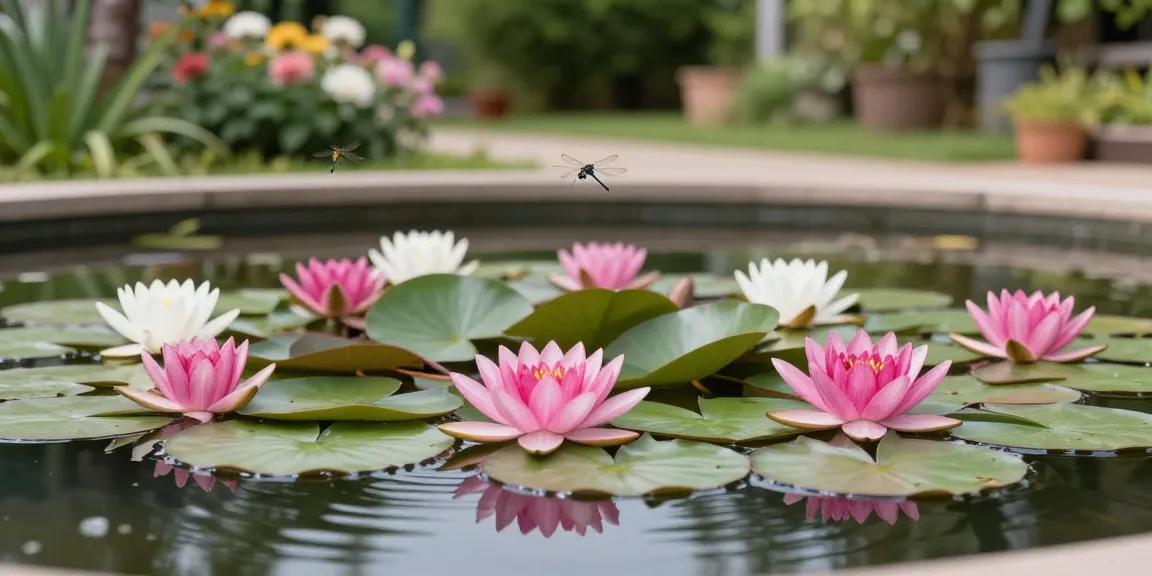
The picturesque blooms of water lilies add a splash of color and elegance to any pond. Their vibrant flowers and lush green leaves create a stunning focal point that can elevate your garden’s overall design.
Environmental Benefits: Biodiversity and Ecosystem Health
Water lilies play a vital role in supporting local wildlife. They provide shelter and breeding grounds for fish and amphibians, creating a biodiverse ecosystem within your pond. Furthermore, their roots help stabilize sediments, improving water clarity and quality.
Healing and Therapeutic Aspects of Water Features
Water features, including ponds with water lilies, are known for their calming effects. The sound of water and the serene presence of aquatic plants can promote relaxation and mental well-being. Creating a peaceful retreat in your garden can provide a much-needed escape from the hustle and bustle of daily life.
Where to Buy Water Lilies: Top Retailers and Recommendations
When it comes to purchasing water lilies, you have several options. Whether you prefer shopping online or visiting local nurseries, finding quality plants is essential for ensuring health and vitality.
Online vs. Local Nurseries: Making the Right Choice
Online retailers offer a vast selection of water lily varieties and often provide detailed descriptions and care instructions. However, local nurseries may allow you to see the plants firsthand and ask questions to knowledgeable staff. Ultimately, consider your comfort level and the variety of options available before deciding.
Factors to Consider When Getting Water Lilies
Before buying water lilies, evaluate factors such as climate suitability, space requirements, and pot size. Selecting a reputable supplier can also ensure the plants you receive are healthy and free from pests.
Customer Reviews and Quality Checks
Before making a purchase, be sure to read customer reviews and look for feedback on plant quality and shipping practices. Quality checks can be a great way to ensure you are investing in healthy specimens that will thrive in your pond.
What are the best conditions for growing water lilies?
Water lilies thrive in full sunlight and require warm temperatures, ideally in water that is between 65°F and 75°F. They need calm water without strong currents or wave action.
How do I maintain my water lilies throughout the year?
Seasonal care involves pruning spent flowers, managing water levels, and providing winter protection for hardy varieties. During winter, some water lilies require potting and will need to be moved to a protected area.
Can water lilies thrive in any type of pond?
While water lilies can grow in various pond types, ensuring the pond has sufficient sunlight and depth is crucial for their success. Well-maintained ponds with good water quality will yield the best results.
What safety tips should I consider when maintaining a pond?
Safety is essential when maintaining your pond. Be sure to supervise children and pets around the water, and wear non-slip footwear when working near the pond’s edge to avoid accidents.
Which water lily varieties are best for beginners?
Beginner-friendly varieties include hardy types like ‘Hollandia’ and ‘Marliac’ water lilies, which are robust and require minimal care.