

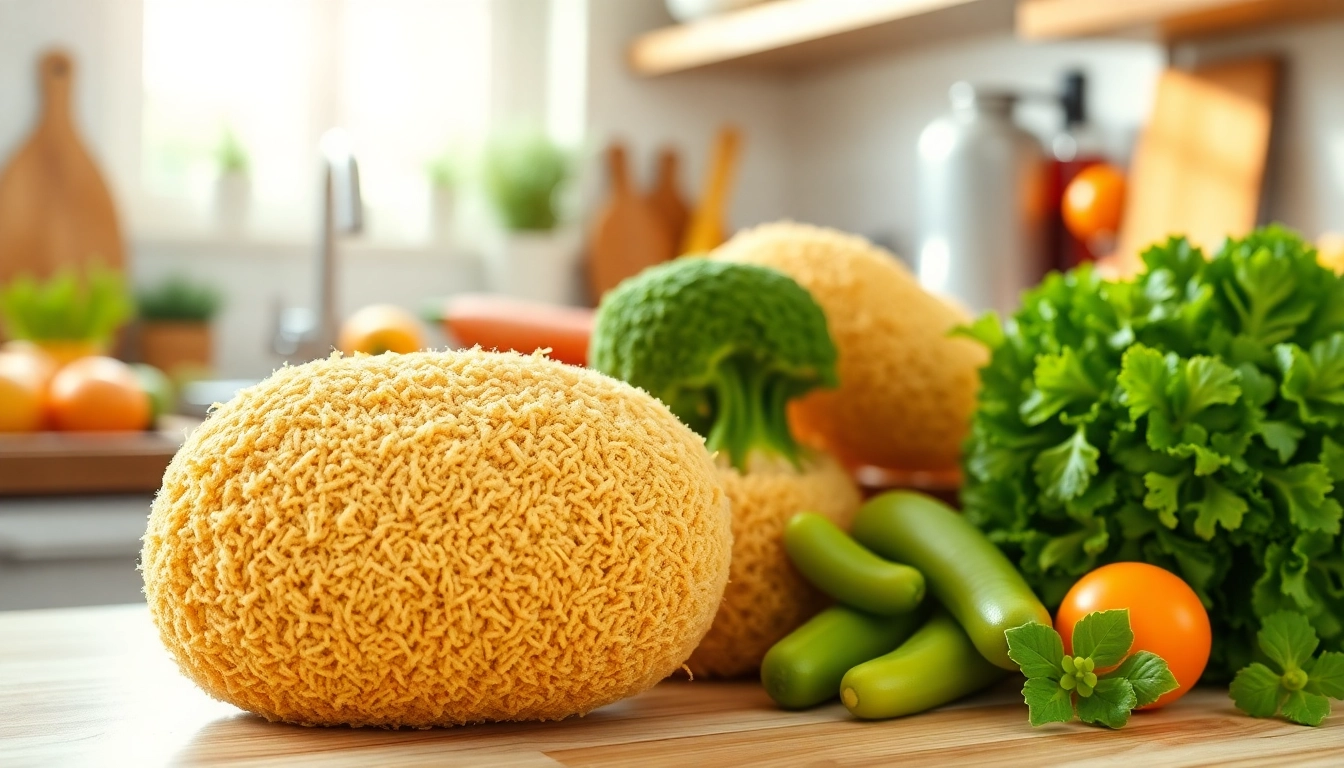
Understanding Kitchen Loofah Benefits
1. Introduction to Kitchen Loofah
The humble loofah, often associated with baths and showers, is making its mark in kitchens as well. A kitchen loofah, made from the fibrous insides of the loofah gourd, serves as a natural, biodegradable alternative for common cleaning tasks. With growing awareness of environmental sustainability, the interest in kitchen loofah benefits is on the rise. This article delves into the myriad advantages of this eco-friendly tool, covering everything from its environmental impact to practical cleaning applications, and much more.
2. Environmental Impact of Loofahs
As global consciousness shifts towards sustainability, understanding the environmental benefits of kitchen loofahs is essential. Loofahs are entirely plant-based and biodegradable, unlike synthetic sponges that contribute to plastic waste. When disposed of, loofahs naturally decompose, enriching soil rather than polluting oceans and landfills. Furthermore, the process of growing and harvesting loofah plants requires fewer pesticides and chemicals compared to synthetic alternatives, making them a cleaner choice for our planet.
3. How Loofahs Help in Kitchen Cleaning
Kitchens are notorious for being breeding grounds for bacteria, making effective cleaning essential. Kitchen loofahs are remarkably effective at scrubbing surfaces without scratching or damaging them. They can effortlessly tackle stubborn grime on pots, pans, countertops, and dishes. The loofah’s porous structure creates a natural scrubbing action, while also offering deep cleaning properties that can help reduce bacteria and germs effectively.
Comparing Loofahs to Traditional Sponges
1. Durability and Longevity
One key factor in evaluating a cleaning tool is its durability. Kitchen loofahs tend to outlast traditional synthetic sponges. While standard sponges may start deteriorating within a week or two, a loofah can last several weeks, especially with proper care. They are resistant to mold and mildew, which gives them an edge in longevity. By switching to loofahs, homeowners can reduce the frequency of replacements, leading to fewer purchases over time.
2. Eco-friendliness and Decomposition
When comparing ecological footprints, kitchen loofahs shine brightly. As mentioned earlier, these natural sponges decompose fully, reverting to the earth without leaving harmful residues. In contrast, traditional sponges, often made from polyurethane or PVC, contribute to microplastics in our environment. Choosing loofahs represents a proactive step towards reducing plastic pollution and opting for more sustainable lifestyles.
3. Cost-Effectiveness Over Time
While the upfront cost of a loofah may be slightly higher than traditional sponges, the overall value becomes evident when considering longevity. Given their durability, loofahs often translate to cost savings over time. Reducing the need for frequent replacements not only saves money but also aids in fostering a more sustainable household budget. As consumers increasingly seek value in their purchases, kitchen loofahs can offer both financial and environmental savings.
Using Kitchen Loofah Effectively
1. Best Practices for Cleaning
To maximize the benefits of kitchen loofahs, it’s crucial to utilize them effectively. Rinse the loofah thoroughly after each use to remove food particles and debris. For enhanced cleanliness, periodically soak the loofah in a solution of vinegar and water or baking soda and water. This practice not only disinfects the loofah but also extends its lifespan by reducing buildup.
2. How to Maintain Your Loofah
Proper maintenance of your kitchen loofah is essential for hygiene and longevity. It’s advisable to store loofahs in a dry, airy location after use to prevent moisture retention. This will diminish the chances of mold and bacteria growth. Consider replacing your loofah every two to three months, or sooner if it shows significant wear and tear.
3. Alternatives to Loofah Use
While loofahs provide many benefits, there are alternatives worth considering. Natural sponges, made from marine sources, offer similar properties but come with environmental implications related to overharvesting. Other eco-friendly options include cloth rags or bamboo scrubbers, which can also contribute to a more sustainable kitchen without causing ecological harm.
Health Benefits of Kitchen Loofah
1. Properties that Promote Hygiene
The porous nature of kitchen loofahs not only aids in effective cleaning but also promotes hygiene. The natural fibers offer a scrubbing force that can eliminate grime, grease, and harmful bacteria without the need for harsh chemicals. By using a loofah, households can significantly reduce their chemical footprint, creating a safer cooking environment.
2. Gentle on Skin and Surfaces
One of the standout features of kitchen loofahs is their gentle yet effective scrubbing capability. They are ideal for cleaning delicate surfaces such as glass and non-stick cookware without scratching or causing damage. Additionally, their fibrous texture is gentle on skin, making them suitable for other everyday tasks such as hand scrubbing while washing vegetables or fruits.
3. Natural Exfoliation Benefits
While primarily designed for kitchen cleaning, kitchen loofahs also provide additional benefits for personal care. They serve as excellent exfoliators for the skin, helping to remove dead skin cells and promoting circulation. Used in conjunction with mild soap, a loofah can enhance the skin’s appearance and texture while contributing to an overall sense of cleanliness and wellness.
Addressing Common Concerns
1. Allergies and Sensitivities to Loofah
Some users might experience allergies or sensitivities to natural fibers. If you notice skin irritation or discomfort when using a loofah, discontinue use and consult a healthcare professional. Patch testing a small area of skin can serve as a precaution before regular use.
2. Best Storage Practices
To maintain your kitchen loofah’s effectiveness and hygiene, store it in a well-ventilated area. Avoid enclosing it in damp environments, such as closed containers or drawers, which can promote mold growth. Hanging it in a dry spot using a hook or string is often the best practice.
3. When to Replace Your Loofah
Recognizing when to replace your kitchen loofah is important for hygiene. If you notice any odors, discoloration, or significant wear such as fraying fibers, it’s time to replace it. Regular replacement keeps your kitchen cleaning routine effective and hygienic, ensuring that you maintain a healthy environment.
FAQs
1. Are kitchen loofahs safe for all types of dishes?
Yes, kitchen loofahs are generally safe for most dishes, including non-stick surfaces, provided you’re gentle in your scrubbing.
2. Can I use a loofah for body exfoliation?
Absolutely! Loofahs provide excellent exfoliation and can be used in the shower for smooth skin.
3. How do I know if my loofah is still effective?
If your loofah shows signs of wear, such as fraying or odor, it’s time for a replacement.
4. Can I sanitize my kitchen loofah?
Yes, soaking it in a vinegar solution or boiling it briefly can help sanitize your loofah effectively.
5. How long does a kitchen loofah typically last?
With proper care, a kitchen loofah can last between 4 to 6 weeks, though this may vary based on usage.