
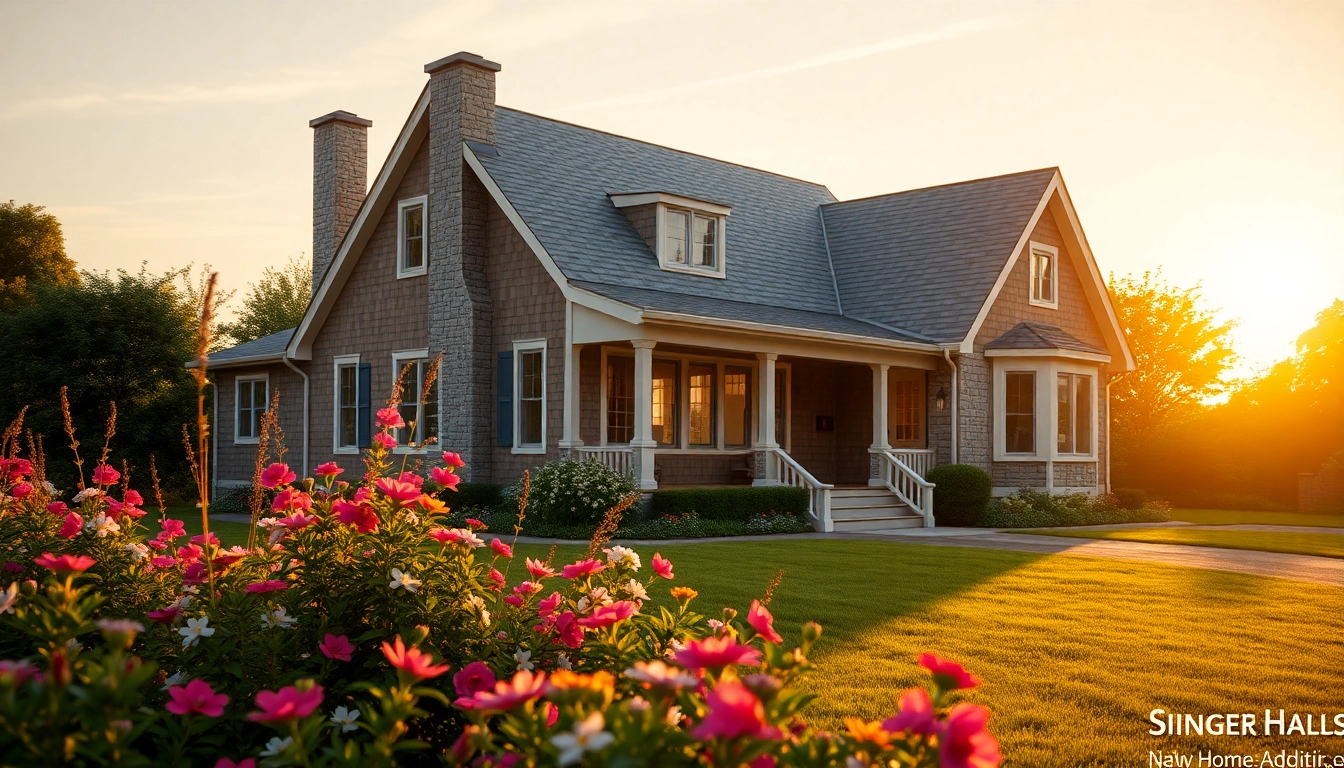

Understanding Cape Style Homes
Cape Cod style homes are a quintessential representation of American architecture, with their origins tracing back to the early 17th century. This architectural style has grown in popularity due to its simplicity, practicality, and timeless charm. One of the most recent adaptations of the Cape Cod design is the addition of in-law suites. This new wave of construction maintains the integrity of the traditional Cape style while embracing modern needs. This article will delve deep into understanding Cape style homes while exploring the concept of Cape Style Home In-Law Addition.
History and Evolution of Cape Style Homes
The Cape Cod style home emerged in New England during the colonial period. Its design was a response to the region’s harsh climate, featuring steep roofs, wooden shingles, and symmetrical facades. These homes were practical; they required fewer materials and could withstand heavy snowfalls. Over the years, this architectural style has transformed, incorporating elements from various periods, including Victorian and Colonial styles, leading to diverse aesthetics observed today.
Key Architectural Features of Cape Style Homes
Cape style homes are characterized by several distinct architectural features. Their hallmark is the steeply pitched roof, typically gabled, which allows for efficient water drainage. Additionally, they often feature dormer windows that enhance natural lighting and air circulation. The symmetrical facade typically includes a centrally located front door flanked by multi-pane windows, creating a balanced appearance. Moreover, clapboard siding in muted tones and substantial front porches add to the charm and functionality.
Benefits of Cape Style Architecture
Opting for a Cape style home comes with numerous benefits. Their timeless design allows for aesthetic flexibility, accommodating both traditional and modern renovations. The energy efficiency inherent in the pitched roofs and simpler designs can significantly lower heating and cooling costs. Furthermore, their modular layouts lend themselves well to modifications, such as the addition of in-law suites or eco-friendly upgrades, maximizing the home’s value while remaining functional.
Introduction to In-Law Additions
In-law additions have gained traction among homeowners looking to create versatile living spaces. These additions provide a solution for multi-generational living and offer a considerable increase in property value. Integrating such expansions within the existing architectural style of a home, particularly that of the Cape Cod, requires careful planning and design consideration.
What Is an In-Law Addition?
An in-law addition generally refers to a self-contained living unit adjacent to or part of a primary residence. These spaces are often designed to accommodate aging parents, adult children, or guests who seek independence while remaining close to family. A well-planned in-law addition typically includes a bedroom, bathroom, kitchenette, and sometimes, a living area. This setup can facilitate both personal space and family togetherness.
Legal Considerations for In-Law Additions
Before embarking on an in-law addition project, homeowners must navigate various legal considerations. Zoning laws differ from one locality to another, with specific regulations dictating the allowable size and nature of additional structures. Securing proper permits is essential to avoid potential fines or required deconstruction. It’s highly recommended to consult with local authorities or an experienced architect to ensure compliance with all local zoning codes.
Designing Functional In-Law Spaces
Creating a functional in-law space requires thoughtful design. The aim is to maintain comfort while ensuring accessibility. Incorporating open floor plans can enhance the sense of space and flow between areas despite potentially limited square footage. Incorporating features like pocket doors, which save space, and designing with the principle of universal design in mind—ensuring accessibility for those with mobility challenges—are key aspects to consider during the design phase.
Incorporating Modern Amenities
Modernizing a Cape style home in-law addition doesn’t mean sacrificing the traditional aesthetics. Homeowners can effectively combine contemporary amenities while keeping the foundational elements intact. This includes the integration of smart technologies and sustainable practices that improve both function and energy efficiency.
Essential Features for Comfort
For an in-law addition to be truly functional, incorporating essential features for comfort is vital. These may include a kitchenette designed with an efficient layout, comfortable living spaces, proper storage solutions, and en suite bathrooms. Climate control systems, insulation, and soundproofing are also crucial, ensuring that residents are comfortable year-round while maintaining privacy between different household areas.
Smart Home Technologies in In-Law Additions
Integrating smart home technologies into an in-law addition facilitates convenience for occupants. Key features may include smart thermostats for energy efficiency, automated lighting for ease of access, and security systems that offer peace of mind. Home automation systems can allow residents to control various aspects of their living environment via mobile devices, enhancing the living experience for all family members.
Sustainable Design Practices
Incorporating sustainable design practices into your in-law addition not only benefits the environment but can also reduce long-term living costs. Materials such as reclaimed wood, energy-efficient windows, and drought-resistant landscaping can be included in design plans. Additionally, installing energy-efficient appliances and systems significantly contributes to a reduced carbon footprint while offering financial incentives through various green home programs.
Financing Your In-Law Addition Project
Embarking on an in-law addition project requires financial planning and budgeting to ensure its success. Understanding the available options and additional costs will help manage expenses effectively and prevent financial strain.
Budgeting for Your Cape Style Home In-Law Addition
Creating a detailed budget is the first step for any construction project. Consider all costs, including materials, labor, permits, and design fees. Additionally, factoring in potential unforeseen expenses will help avoid strains on finances. Consulting with a contractor can provide insights into realistic cost expectations based on the local market and project scope, helping you create a more accurate budget.
Financing Options Available
Homeowners have several financing options to accommodate an in-law addition. These may include personal loans, home equity loans, or lines of credit, and mortgage refinancing. Each option has its pros and cons, which should be evaluated based on the overall financial situation, loan terms, and interest rates. Consulting with a financial advisor or mortgage specialist can help determine the best path forward for funding your project.
Cost-Effective Tips for Building
Building an in-law addition doesn’t have to break the bank. Cost-effective strategies include reusing existing materials, opting for open floor plans that minimize construction complexity, and scheduling your build during off-peak seasons when contractors may offer discounts. Engaging in thorough market comparisons for materials and labor can also yield significant savings.
FAQs on Cape Style Home In-Law Addition
What are the common designs for in-law additions?
Common designs include separate entrances, kitchenette provisions, and accessibility features like grab bars.
How long does it take to build an in-law addition?
Typically, it takes 3 to 6 months, depending on the complexity of the design and local regulations.
What are the zoning regulations for in-law additions?
Zoning regulations vary by area; it’s essential to check with local authorities before starting your project.
How can I maximize space in my in-law addition?
Use open floor plans and multifunctional furniture to create functional areas while maximizing available space.
What are maintenance tips for my Cape Style Home In-Law Addition?
Regular inspections, proper insulation, and seasonal care for landscaping will help maintain its appeal and functionality.