Understanding Induction Cookware
What Is Induction Cooking?
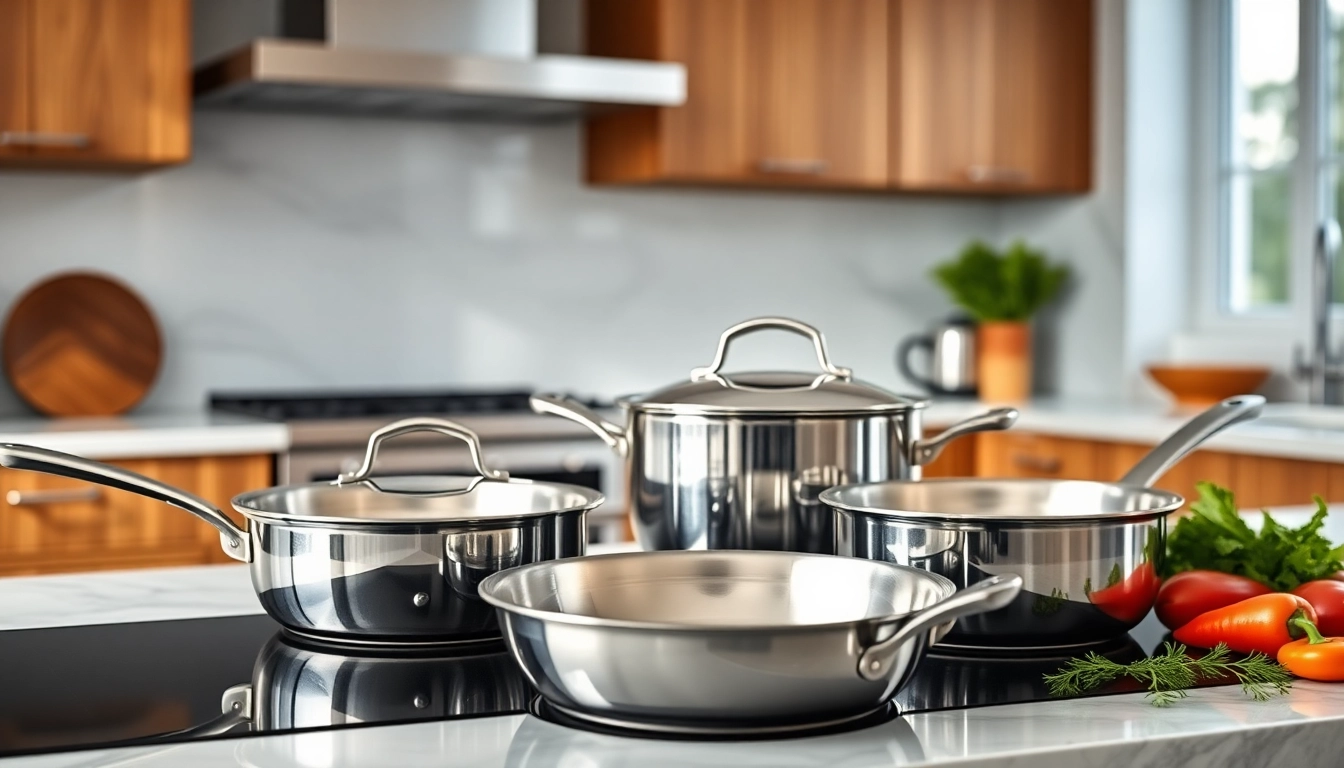
Induction cooking is a modern and highly efficient cooking method that uses electromagnetic energy to directly heat pots and pans. Unlike traditional gas or electric stoves that heat the cooking surface, induction cooktops utilize magnetic fields that produce heat in the cookware itself. This results in faster cooking times and improved energy efficiency. For a hassle-free cooking experience, it’s essential to use the best cookware for induction NZ.
Benefits of Using Induction Cookware
Using induction cookware offers several advantages:
- Speed: Induction cooking is quicker than traditional methods as the heat is generated directly in the cookware.
- Energy Efficiency: It wastes less energy than gas or electric cooking since the heat is only produced when there’s a compatible pot on the surface.
- Safety: Induction cooktops remain cool to the touch, significantly reducing the risk of burns.
- Precision: The temperature can be adjusted quickly and accurately, allowing for better control over cooking processes.
How Induction Cookware Works
Induction cookware must be made from ferrous materials, as these will interact with the magnetic field generated by the cooktop. When placed on an induction surface, the cookware creates a magnetic circuit, causing it to heat and cook food efficiently. It's essential to ensure that your pots and pans have a flat, smooth bottom to maximize contact with the cooking surface.
Key Features of the Best Cookware for Induction NZ
Material Types: What to Look For
When selecting cookware for induction stovetops, consider the following materials:
- Stainless Steel: Durable and resistant to rust, stainless steel provides even heat distribution when it's magnetic.
- Cast Iron: Known for its excellent heat retention, cast iron can also offer a non-stick surface if well-seasoned.
- Copper: Although not induction-friendly alone, copper cookware often has a stainless steel exterior for compatibility.
- Non-Stick Coatings: Look for high-quality non-stick pans that are rated for induction use, ensuring ease of cleaning.
Design and Ergonomics
Good cookware should be not only functional but also comfortable to use. Ergonomic handles, a balanced weight distribution, and a design that fits comfortably in your hand are crucial features. Lightweight cookware can often ease the fatigue of cooking while heavy-duty options may provide better heat retention.
Compatibility with Your Induction Cooktop
Before purchasing cookware, make sure it is compatible with your induction cooktop. A simple way to check is to use a magnet; if it sticks to the bottom of the pot or pan, it's induction-safe. Investing in high-quality, compatible cookware will optimize your cooking experience and enhance the longevity of your kitchen equipment.
Top Recommendations for Induction Cookware in NZ
Best Budget Options
There are several budget options that offer excellent functionality without breaking the bank. Look for cookware sets that include essential pieces such as frying pans, saucepans, and stock pots. Brands that focus on value often provide durable products at a fraction of the price, ensuring you get the right functionality for casual cooking.
High-End Choices
For those ready to invest more in their cookware, high-end options provide enhanced performance, durability, and aesthetic appeal. Premium brands often include unique features like advanced heat conduction, professional-grade materials, and warranties that ensure lasting quality. This investment is particularly worthwhile for avid cooks who prioritize performance and longevity.
Versatile Cookware Sets
Versatile cookware sets often include various sizes and types of pots and pans to suit all cooking needs. A well-rounded set will include sauté pans, skillets, and stockpots, allowing you to prepare a wide range of dishes. When choosing a set, consider your cooking style, number of household members, and storage space.
Maintaining Your Induction Cookware
Cleaning Tips for Long-Lasting Performance
Maintaining your induction cookware is vital for ensuring its performance and longevity. Here are some essential cleaning tips:
- Always allow pots and pans to cool before washing to avoid warping.
- Use warm, soapy water and a soft sponge to avoid scratching the surface.
- For stubborn stains, consider using a mixture of baking soda and water to scrub gently.
How to Avoid Common Mistakes
Many users make common mistakes with induction cookware, such as using non-induction materials. Ensure you avoid aluminum or glass cookware unless specifically marked induction-compatible. Additionally, refrain from using high heat settings, which may damage your cookware and affect its efficiency.
When to Replace Your Cookware
Over time, wear and tear can impact performance. Signs that it may be time to replace your cookware include flaking non-stick surfaces, warping, or loss of heating efficiency. Regular inspections and caring for your cookware can extend its life, but knowing when to replace it is essential for maintaining quality cooking experiences.
FAQs About Induction Cookware
What are the best materials for induction cookware?
The best materials for induction cookware include stainless steel, cast iron, and multi-clad cookware with a magnetic base for effective heat conduction.
Can I use non-induction cookware on an induction stove?
No, non-induction cookware such as aluminum or glass won't work on induction stoves as they lack the magnetic base required for functionality.
How do I know if my cookware is induction-compatible?
A simple test is to use a magnet; if it sticks to the bottom of the cookware, it is induction-compatible and will work with induction stovetops.
What maintenance does induction cookware require?
Induction cookware requires regular cleaning with non-abrasive sponges and should be checked periodically for wear such as scratches and warping.
Are there any safety concerns with induction cooking?
Induction cooking is generally safe, but users should keep in mind that the cooktop stays cool while in use; however, the cookware can become very hot. Always handle cookware with care.