The Importance of Wedding Photography
Why Every Couple Needs Professional Wedding Photography
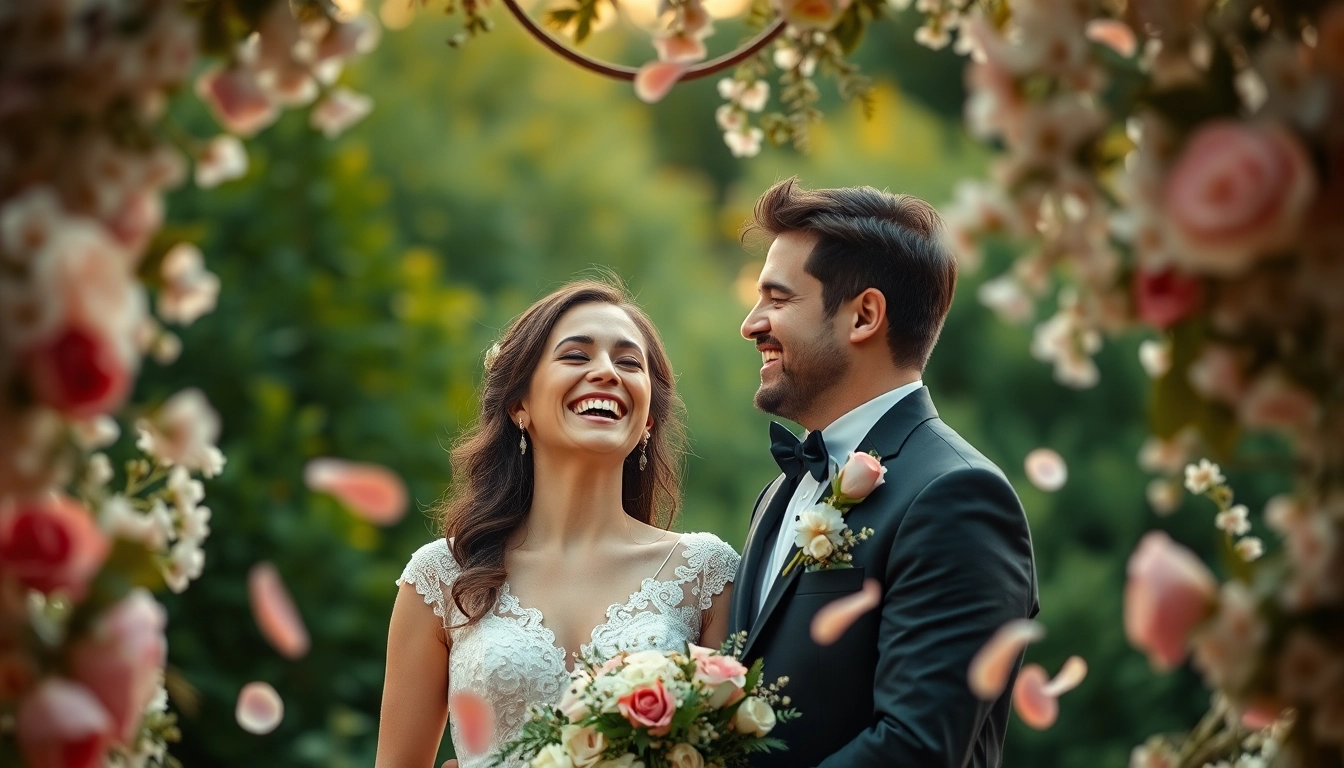
Wedding photography serves as the visual diary of one of the most significant days in a couple’s life. Capturing the essence of emotions, joy, and minute details, professional photographers transform fleeting moments into timeless memories. It allows couples to relive their special day, sharing stories through images that convey emotions, settings, and interactions. For this reason, investing in Wedding photography is essential, as it provides both tangible keepsakes and an emotional connection to that day for years to come. Whether it is the subtle glimmer in the bride’s eye or the jubilant laughter during the reception, a skilled photographer knows how to capture these moments artfully.
The Emotional Value Behind Stunning Wedding Photography
The emotional value of wedding photography cannot be overstated. These images encapsulate deep connections, familial bonds, and intimate moments that are easy to forget amidst the hustle and bustle of wedding planning. Professional photographers are trained to witness and capture these pivotal emotional beats—from the parents’ teary smiles to the couple’s soft glances. Every shot can evoke powerful memories and feelings, allowing couples to share their unique love stories with family and friends. An excellent wedding photographer extracts emotions authentically, providing couples with more than just pictures; they deliver a visual narrative that resonates across generations.
Recent Trends in Wedding Photography Styles
The landscape of wedding photography is ever-evolving, emerging with various styles that cater to diverse tastes. Recent trends include the following:
- Documentary Photography: This style captures the day as it unfolds naturally, emphasizing candid moments over posed shots.
- Fine Art Photography: A more artistic approach focuses on composition, lighting, and mood, often resembling gallery artwork.
- Destination Wedding Photography: As couples travel for their nuptials, photographers adapt styles to at unique locations, capturing breathtaking landscapes and intimate settings.
- Drone Photography: Offering a new perspective, drone imagery provides stunning aerial views of venues, capturing the scale and beauty of the celebration.
Understanding Wedding Photography Styles
Traditional Wedding Photography Techniques
Traditional wedding photography techniques involve a classic approach, often characterized by posed portraits of the couple, family, and bridal party. This style typically includes group shots and formal ceremonies, focusing on ensuring that important attendees are captured. The photographer guides the subjects through poses to achieve flattering angles, creating images that convey elegance and formality. While this style is celebrated for its timelessness, it can occasionally miss the spontaneous moments that make weddings delightful.
Candid Wedding Photography: Capturing Genuine Moments
Candid wedding photography prioritizes authenticity. Rather than posing couples and their guests, photographers capture unanticipated moments that celebrate genuine emotions. The beauty of this approach lies in the spontaneity; laughter, tears, and interactions effortlessly come to life through the lens. Candid photography allows viewers to feel the joy and excitement of the day, creating a narrative that feels personal and engaging. This style is increasingly popular as couples seek images that resonate on a deeper emotional level.
Artistic Approaches to Contemporary Wedding Photography
Artistic wedding photography blends traditional techniques with modern creativity. Photographers using this approach often manipulate lighting, composition, and post-processing to produce striking visuals that stand out. They may incorporate various elements, such as reflection, shadows, and creative angles. This style is popular among couples who wish for their wedding photographs to convey a unique artistic vision, reflecting their personality and style while transcending conventional expectations.
Choosing the Right Wedding Photographer
How to Evaluate a Wedding Photographer's Portfolio
Evaluating a photographer's portfolio is crucial when selecting the right individual for your wedding. Look for consistency in the quality of images – they should convey emotion, detail, and clarity. Consider the variety of work showcased, ensuring that the photographer has experience in different settings and situations. Pay attention to their style; does it resonate with your vision? It's also wise to look out for real wedding galleries versus staged shoots, as they better reflect genuine moments captured during actual celebrations.
Questions to Ask Your Potential Wedding Photographer
Engaging with your potential wedding photographer through thoughtful questions can significantly impact the selection process. Consider asking:
- What is your photography style, and how do you adapt to different settings?
- How do you manage timelines and scheduling on wedding day?
- What is included in your packages (e.g., number of hours, albums, prints)?
- How do you handle adverse weather conditions during outdoor shoots?
- Can you provide references from recent couples?
These questions will help clarify expectations and ensure compatibility with your vision and personality.
Setting a Budget for Wedding Photography
Setting a realistic budget for wedding photography is essential. Prices vary widely depending on the photographer's experience, location, and services offered. Generally, couples allocate around 10-15% of their overall wedding budget for photography. While it may be tempting to opt for the most affordable option, consider investing in a reputable photographer whose style resonates with you; after all, these pictures will be cherished for a lifetime.
Planning the Perfect Wedding Photography Session
Timing: When to Schedule Your Wedding Photography
Scheduling your wedding photography involves careful consideration of timing. Discuss with your photographer the best times for specific shots, especially with regards to lighting. Golden hour, just before sunset, offers soft, warm light ideal for romantic portraits. Additionally, factor in time for family portraits, bridal party shots, and any special requests. A loose timeline will ensure all desired images are captured without feeling rushed.
Locations to Enhance Your Wedding Photography Experience
The location of your wedding significantly enhances the photography experience. Scenic backdrops, be it enchanting forests, city skylines, or elegant venues, play a crucial role in crafting beautiful images. Discuss your location choices with your photographer, who can suggest optimal spots based on lighting, structure, and aesthetic appeal. Additionally, consider personal touches; locations that have significant meanings to you as a couple often create the most compelling images.
Incorporating Props and Personal Touches in Wedding Photography
Incorporating props and personal touches into wedding photography can infuse unique character into your images. Elements such as hand-written vows, family heirlooms, or personalized signs can add depth to your photographic narrative. Discuss with your photographer about ideas for props that align with your wedding theme and couple's personality. The aim is to create a storyline reflected through your images that you can cherish long after the day has passed.
Post-Wedding Photography: What to Expect
Understanding Your Wedding Photography Timeline
After the wedding, understanding the photography timeline is beneficial for managing expectations. Typically, photographers may take anywhere from 4 to 12 weeks to deliver edited images, depending on their workload and editing style. Some may provide sneak peeks shortly after the event to keep excitement alive. Ensure you have clarity on the timeline with your chosen photographer, along with how they handle storage and backups for your files.
Tips for Choosing Your Wedding Album Layout
Choosing a layout for your wedding album allows you to curate your story beautifully. Consider starting with a chronological sequence that reflects your wedding day flow. Include a mix of wide shots that capture overall scenes and intimate details that tell your story. Collaborate with your photographer to enhance your album with their expertise in design to achieve a layout that feels cohesive, engaging, and personal.
Sharing Your Wedding Photography Online and Privately
In today’s digital age, couples often share their wedding photography across social media platforms. However, privacy concerns should be addressed in advance. Discuss with your photographer about potential sharing options and local privacy laws. Some couples prefer to wait until they have saved their chosen images before sharing publicly, while others might opt for private sharing links with close family and friends, striking a balance between showcasing their joy while maintaining discretion.
FAQs
What should I look for when hiring a wedding photographer?
Look for their portfolio, experience, and customer reviews. Make sure their style aligns with your vision.
How much should I budget for wedding photography?
Expect to allocate 10-15% of your wedding budget for photography, depending on the photographer's experience.
What are popular wedding photography styles?
Popular styles include traditional, candid, artistic, and documentary, each offering a unique perspective on your day.
How long after the wedding will I receive my photos?
Typically, you'll receive your edited wedding photography within 4-12 weeks, depending on the photographer's workflow.
Can I customize the photos I want in my wedding album?
Most photographers allow you to choose your favorite photos, ensuring your album reflects your unique story.