Understanding Holiday Camps
What are Holiday Camps?
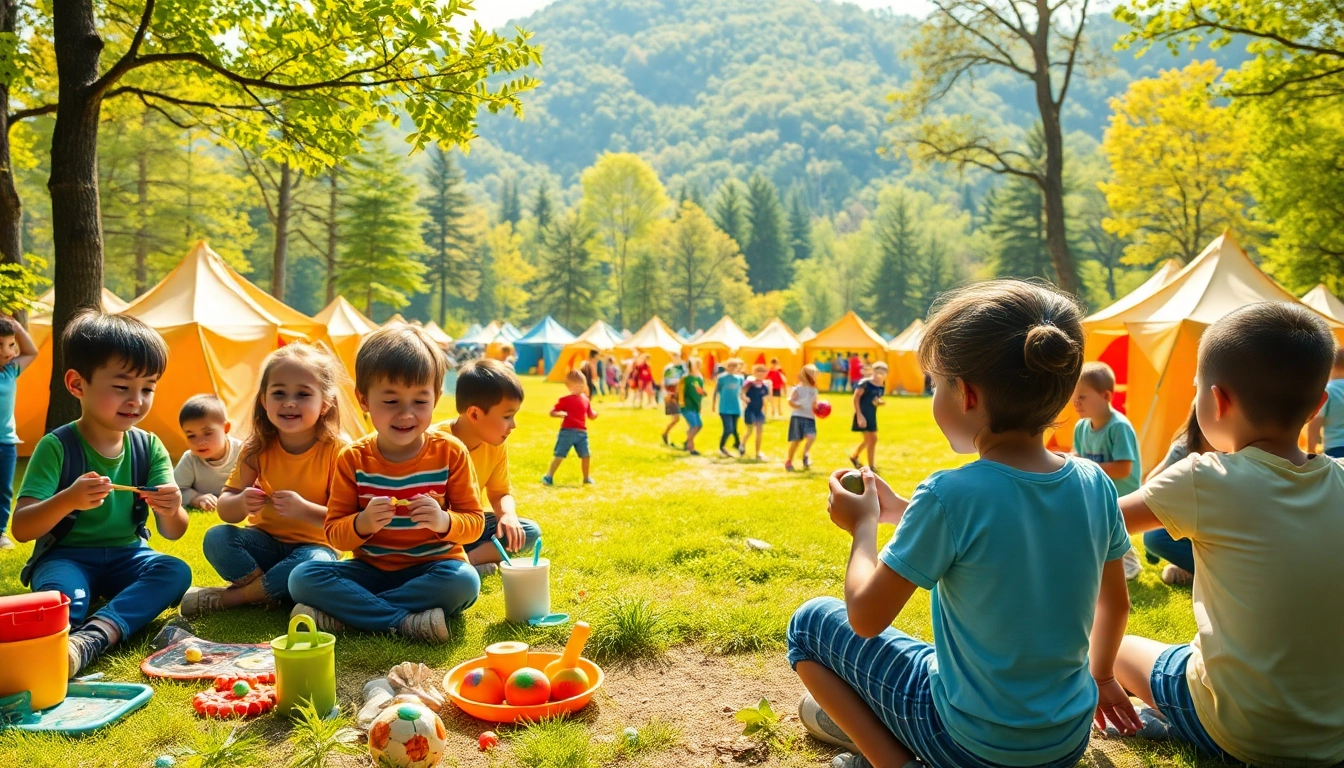
Holiday camps are structured, supervised activities designed primarily for children during school holidays, such as summer vacations, winter breaks, or spring holidays. These camps can vary in duration and may provide a mix of educational, recreational, and social opportunities. Generally based in outdoor settings, community centers, or educational institutions, holiday camps cater to children of all ages and interests. Parents seeking ways to keep their children active and engaged often turn to Holiday camps to ensure their child benefits from a safe and nurturing environment while developing new skills and friendships.
Types of Holiday Camps Available
Holiday camps come in various forms typically categorized based on their focused activities and targeted age groups. Here are several common types:
- Sports Camps: These camps focus on physical activities, providing children with training and exposure to various sports such as soccer, basketball, swimming, or gymnastics. Participants often enhance their skills through coaching from experienced instructors.
- Arts and Crafts Camps: Campers engage in creative activities such as painting, sculpture, theater, and music. These camps foster artistic expression and often culminate in showcases where children present their work to families.
- Educational Camps: Often hosted by schools or universities, these camps offer enrichment programs that include science, math, technology, and reading, promoting academic development in a fun environment.
- Adventure Camps: Focused on outdoor exploration, adventure camps offer activities like hiking, rock climbing, and team-building exercises, encouraging participants to develop resilience and teamwork skills.
- Special Interest Camps: Tailored to children's unique passions, these camps may include topics like coding, cooking, or specific cultural experiences, allowing campers to delve deeply into their interests.
Benefits of Attending Holiday Camps
Participating in holiday camps offers numerous advantages that contribute to a child's overall development:
- Socialization: Holiday camps provide a unique opportunity for children to meet peers and form friendships outside of their usual social circles. These interactions can significantly enhance their social skills and confidence.
- Skill Development: Through engaging activities, children can discover and develop new skills, whether they are sports-related, artistic, or academic. This enrichment can foster a sense of accomplishment and set the foundation for lifelong learning.
- Structured Environment: Unlike unstructured playtime at home, holiday camps offer a structured schedule that includes planned activities and supervised environments. This organization helps children learn about responsibility and time management.
- Physical Activity: Many holiday camps emphasize outdoor and physical activities, promoting an active lifestyle that is crucial for children's health and well-being.
- Emotional Growth: Children often face various challenges at camp, from trying new things to overcoming fear. Successfully navigating these challenges can foster resilience and emotional intelligence.
Choosing the Right Holiday Camps
Factors to Consider When Selecting a Camp
Choosing the right holiday camp requires careful consideration. Parents should seek camps that align with their child's age, interests, and needs. Key factors include:
- Credentials: Verify the camp’s accreditation and the qualifications of the staff to ensure a safe and enriching environment.
- Reviews: Explore online reviews and testimonials to learn about other families' experiences and gauge the camp's reputation.
- Location: Consider the proximity of the camp to home and the ease of transportation, which can impact a child’s daily experience.
- Cost: Understand the camp's pricing structure, including any hidden fees, to determine its affordability.
Age Appropriateness in Holiday Camps
Age-appropriate programming is vital for ensuring that campers can engage fully and benefit from their experiences. Here are guidelines to consider:
- Young Children: Should be in camps that emphasize play and exploration with plenty of supervision.
- Tweens: Look for camps that challenge their developing interests while also providing a safe space for social exploration.
- Teens: May benefit from specialized camps that align with their interests, giving them a sense of independence while still being supervised.
Activity Variety and Specialization
Parents should assess the range of activities offered by a camp. Camps that provide diverse programs can cater to a child’s evolving interests and accommodate different learning styles. Additionally, camps specializing in particular areas (e.g., coding, arts) are beneficial for children who wish to delve deeply into specific pursuits.
Preparing for Holiday Camps
What to Pack for Holiday Camps
Preparation is key to a successful camp experience. Here’s a packing checklist to ensure your child is ready:
- Clothing: Pack comfortable clothing suitable for various activities, alongside weather-appropriate gear such as rain jackets or sun hats.
- Personal Items: Sunscreen, insect repellent, and water bottles should be included to ensure health and safety.
- Youth Essentials: Consider items like books, small toys, or family photos that can provide comfort.
Understanding Camp Schedules and Expectations
Parents should familiarize themselves and their children with the camp’s daily schedule. Knowing what activities are planned can help children feel prepared and excited. Discussing expectations for behavior and engagement at camp can also foster positive attitudes towards the experience.
Communicating with Camp Staff
Open communication between parents and camp staff is crucial. Establishing contact information and understanding how to address potential issues ensures that children’s needs are met during the camp session. Regular check-ins can help parents stay informed and connected, reducing any anxiety.
Making the Most of the Holiday Camps Experience
Engaging in Activities Fully
Encourage children to participate actively in all camp activities, whether they are familiar or new. Engaging fully not only enhances their enjoyment but also maximizes their personal growth and skill development. Parents can help by practicing positive reinforcement about trying new activities.
Building Friendships and Community
Camps are rich environments for building friendships. Encourage your child to be open and friendly, as these relationships can lead to a supportive community. Parents should remind children that making friends often requires stepping out of their comfort zones.
Feedback and Reflection Post-Camp
After completing the camp, it can be beneficial for children to reflect on their experiences. Parents can facilitate discussions about their favorite moments, challenges faced, and lessons learned. Encouraging this reflection can lead to lasting insights that promote continual personal growth.
Frequently Asked Questions about Holiday Camps
What is the duration of Holiday camps?
Holiday camps typically vary in duration, ranging from a single day to several weeks. It’s important to read the specific camp details for exact timelines.
Are meals provided at Holiday camps?
Many holiday camps offer meals, while others may require children to bring their own. Verify this detail to ensure your child's dietary needs are met.
How can parents ensure their child enjoys the camp?
Communicating with the child about expectations, encouraging openness to new experiences, and selecting a camp that aligns with their interests all enhance enjoyment.
What safety measures are in place at Holiday camps?
Reputable holiday camps implement strict safety protocols, including trained staff, emergency procedures, and health inspections to ensure kids' well-being.
Can children attend multiple Holiday camps in one season?
Yes, children can usually attend multiple camps. However, parents should consider travel time and energy levels when scheduling.