Understanding the Basics of Toilet Repair
What is Toilet Repair?
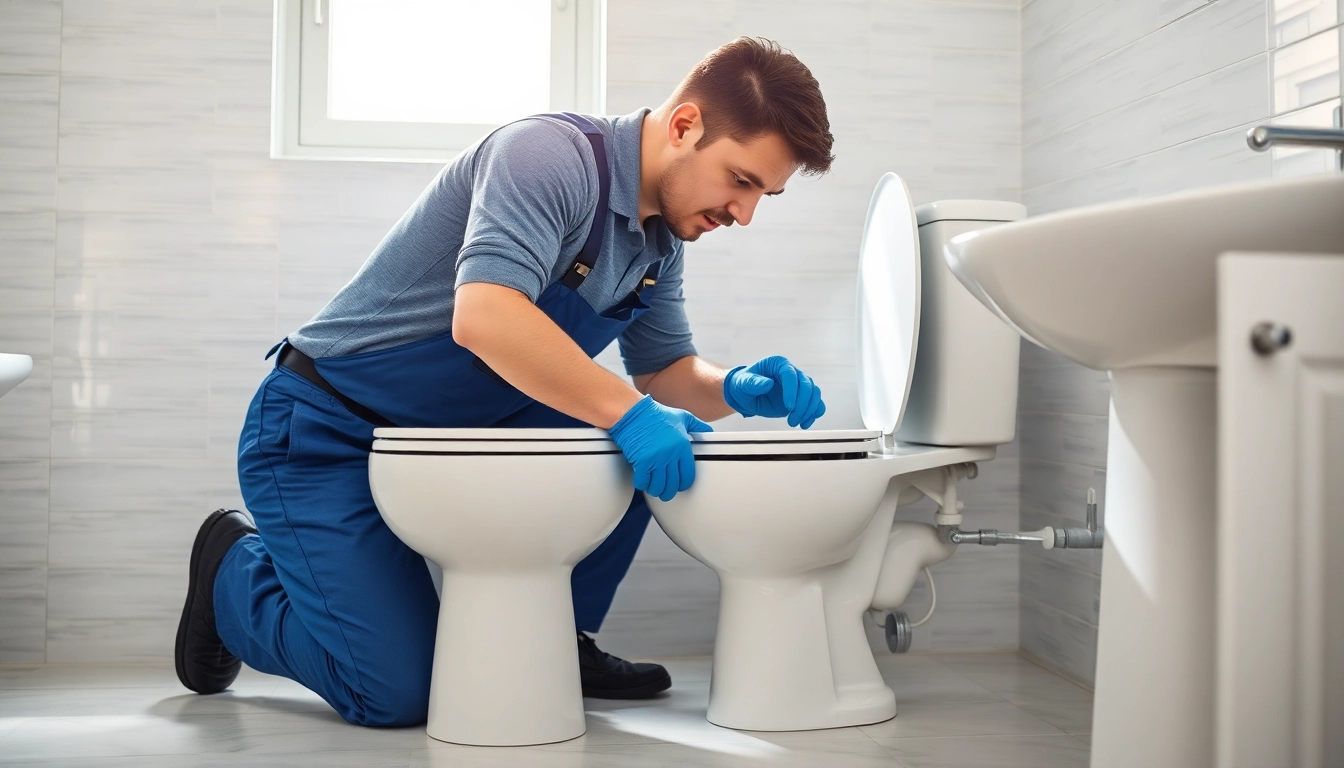
Toilet repair encompasses a variety of tasks aimed at fixing issues related to toilets, which are essential fixtures in any home. This includes troubleshooting faulty mechanisms, fixing leaks, clearing blockages, and ensuring the overall functionality of the toilet. It’s important to understand the components involved—such as the flapper, fill valve, and wax seal—to effectively address any issues that may arise. Knowledge of these components can make the often-daunting task of toilet repair more manageable.
Why Regular Maintenance is Important for Toilets
Regular maintenance of your toilet is crucial for several reasons. First, it helps to prevent minor issues from escalating into major repairs, which can be costly and inconvenient. Additionally, a well-maintained toilet can perform efficiently, saving water and reducing utility bills. Routine inspections can also help identify wear and tear, preventing leaks that can damage flooring and cause mold growth. Organizing regular checks keeps your toilet in top shape and extends its lifespan.
Common Signs Indicating Toilet Issues
It’s paramount to recognize the signs that your toilet might need repair. Common indicators include:
- Unusual noises: If your toilet often makes strange sounds, it may indicate problems with the fill valve or flapper.
- Persistent leaking: Puddles around the base or tank leaks suggest seal failure or corroded parts.
- Weak flushes: This could be due to a faulty flapper or blockage within the bowl.
- Frequent clogs: If clogs occur more than usual, it might be a sign of underlying pipe issues.
Tools You Need for Toilet Repair
Basic Tools Required
Before tackling any toilet repair, having the right tools on hand is essential. Basic tools include:
- Adjustable Wrench: Ideal for loosening and tightening nuts and bolts.
- Plunger: A must-have for clearing minor clogs.
- Screwdriver: Flathead and Phillips screwdrivers are necessary for various components.
- Toilet Auger: This helps with deeper clogs that a plunger cannot reach.
- Bucket and Towels: For containment of water and mess during repairs.
Advanced Tools for Complex Repairs
More complex toilet repairs may require specialized tools. These include:
- Pipe Wrench: For gripping and turning larger pipe fittings.
- Level: Use this to ensure your toilet is properly aligned.
- Drain Snake: Helpful for removing stubborn clogs far down the drain.
- Replacement Parts: Such as fill valves, flappers, and tank gaskets, may also be necessary.
Safety Equipment and Accessories
Safety should never be overlooked during toilet repair. Consider these items to protect yourself:
- Safety Goggles: Protects your eyes from debris and chemical splashes.
- Gloves: Disposable latex or rubber gloves prevent contact with bacteria and chemicals.
- Face Mask: Useful when using strong cleaners or working with plumbing systems.
Common Toilet Problems and DIY Solutions
Running Toilets: Causes and Fixes
Running toilets can waste hundreds of gallons of water each day. The primary culprits include:
- Faulty Flapper: The flapper may not be sealing properly, and replacing it is often a quick fix.
- Fill Valve Issues: A malfunctioning fill valve may cause constant water flow.
- Chain Problems: An improperly adjusted chain can cause the flapper to stick open.
To repair, begin by checking the flapper’s condition. Replace it if it shows signs of wear. Next, inspect the fill valve and adjust or replace as necessary. Lastly, ensure the chain is properly adjusted to avoid hang-ups.
Clogged Toilets: Clearing the Blockage
Clogs are a frequent issue. To effectively clear a blockage, follow these steps:
- Use a Plunger: Ensure a solid seal and plunge up and down vigorously.
- Try a Toilet Auger: This tool can reach deeper blockages that a plunger cannot.
- Chemical Cleaners: For stubborn clogs, consider using a safe, enzymatic cleaner that won't damage your pipes.
Leaky Toilets: Identifying the Source and Repairing
Leaks can lead to significant water waste and damage. Common leak sources include:
- Base Leaks: Often due to a faulty wax seal, which may need replacement.
- Tank to Bowl Leaks: Caused by defective flush valve seals, which can easily be replaced.
- Supply Line Leaks: Check for corrosion and tighten connections as needed.
To repair, identify the source of the leak first. For a leaky base, turn off the water supply, drain the toilet, and replace the wax ring. For leaks at the tank, check the flush valve and replace it if necessary.
When to Call a Professional for Toilet Repair
Signs Indicating Professional Help is Needed
While many toilet repairs can be DIY projects, some situations warrant professional assistance. These include:
- Complex Clogs: If a plunger or snake doesn’t resolve the issue, deeper blockages may require expert tools.
- Multiple Plumbing Issues: If more than one fixture has problems, it may indicate a bigger plumbing system issue.
- Commodes that won’t stop running or flushing: If adjustments don’t work, a specialist can better diagnose the problem.
Choosing the Right Plumber
Selecting the right plumbing professional involves research and consideration of factors like:
- Credentials: Ensure they are licensed and insured.
- Experience: Look for a plumber with expertise in toilet repair and a good reputation.
- Reviews: Read online reviews and ask for references to gauge the plumber's reliability.
Cost Considerations for Professional Repairs
Professional plumbing costs can vary widely depending on the complexity of the issue and your location. Basic repairs might cost between $100 and $300, while more complex repairs involving pipe replacement can exceed $1,000. Always get a quote in advance and check if they charge by the hour or per job to avoid surprises.
Preventive Maintenance Tips for Your Toilet
Regular Inspection Techniques
Conducting regular inspections can save you significant hassle. Implement these techniques:
- Check for water usage on your water bill for unusual spikes.
- Inspect the floor around the toilet for signs of moisture or discoloration.
- Listen for unusual noises when the toilet is not in use, indicating potential issues.
Routine Care Tips to Extend Toilet Life
Taking proactive care can extend the lifespan of your toilet. Here are a few care tips:
- Clean the toilet regularly with appropriate cleaners to prevent mineral buildup.
- Check and replace rubber components every few years to prevent leaks.
- Avoid flushing non-biodegradable items which can cause clogs.
Best Practices To Avoid Future Repairs
Avoiding future repairs requires diligence and smart practices, including:
- Maintain a consistent cleaning schedule to minimize wear and tear.
- Educate your household on proper toilet use.
- Implement a seasonal inspection routine to catch issues early.
Frequently Asked Questions
How often should I inspect my toilet?
Inspect your toilet every 6 months to identify potential issues early.
What tools are necessary for DIY toilet repairs?
Basic tools include an adjustable wrench, plunger, screwdriver, and toilet auger.
How do I know if I need a plumber?
If you encounter recurring issues, complex clogs, or leaks that you cannot fix, call a professional.
Can I use chemical cleaners for toilet clogs?
Chemical cleaners can be used but choose enzymatic options that are less harsh on plumbing.
How can I extend the lifespan of my toilet?
Regular cleaning, routine inspections, and avoiding non-biodegradable items can extend your toilet’s lifespan.