Understanding the Role of a Manhattan Construction Manager
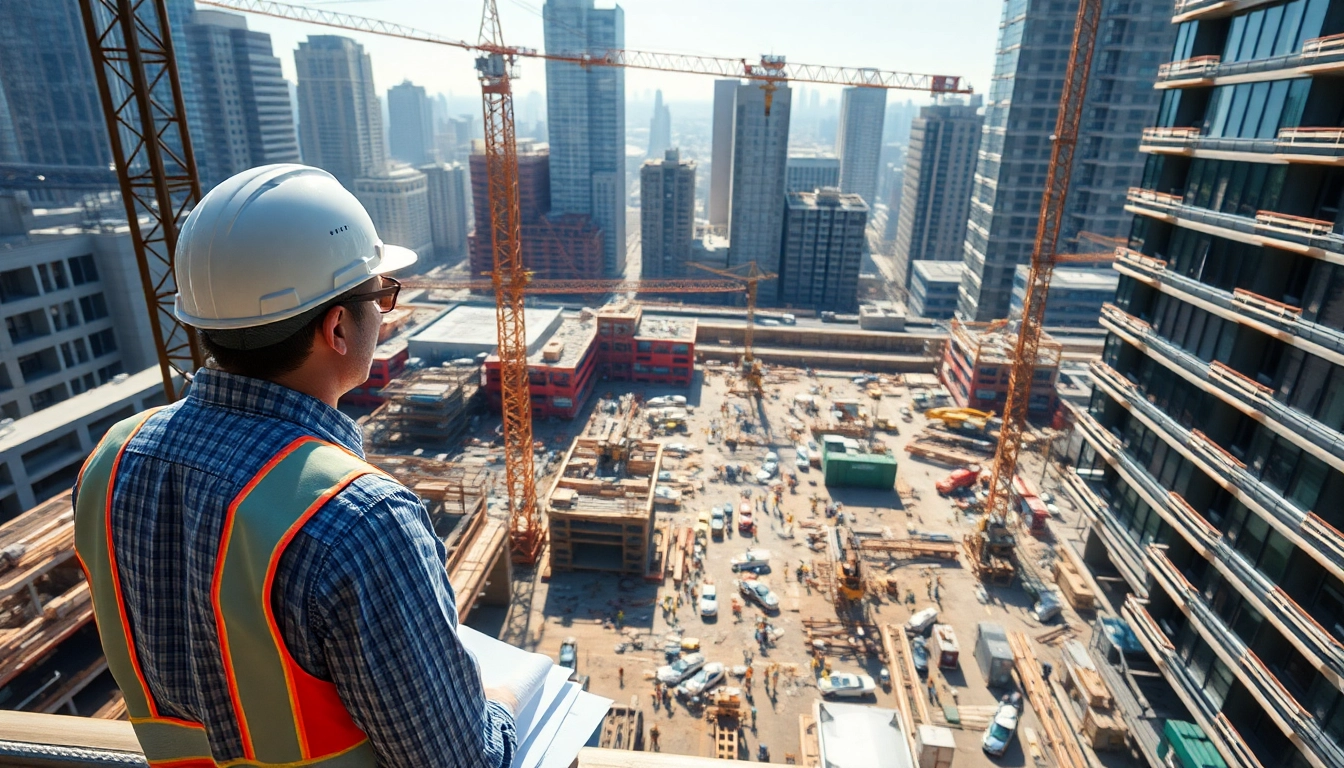
A Manhattan Construction Manager plays a crucial role in the successful completion of construction projects within one of the most vibrant and complex urban landscapes in the world. Encompassing various responsibilities, skills, and challenges, this position is pivotal in ensuring that projects meet client expectations while adhering to timelines and budgets. Whether overseeing a skyscraper, a commercial complex, or urban infrastructure improvements, the Manhattan Construction Manager acts as the lynchpin in coordinating all facets of construction management. For those seeking insights into this essential function, a detailed exploration into the various aspects of the role is warranted, including the responsibilities undertaken, the skills required for effective management, and the integral importance of communication throughout the construction process.
Key Responsibilities of Manhattan Construction Manager
The responsibilities of a Manhattan Construction Manager are multifaceted and encompass a broad spectrum of roles essential to the construction process. At the forefront, the main duties can be categorized into several key areas:
- Project Planning and Scheduling: Establishing timelines, detailing project phases, and ensuring that all activities progress as per the schedule are fundamental tasks for effective project management.
- Budget Management: Developing and adhering to budget guidelines while conducting regular financial assessments to avoid overspending.
- Vendor and Supplier Coordination: Building relationships with various suppliers and subcontractors to secure the best materials and workforce needed for the project.
- Supervision of On-Site Activities: Direct oversight of daily operational duties to ensure compliance with safety regulations and project specifications.
- Inspection and Quality Control: Implementing quality control measures and inspections to uphold the expected standards of construction quality.
- Stakeholder Communication: Acting as a primary point of contact for clients, architects, and other stakeholders to facilitate clear and effective communication throughout all project stages.
Skills Required for Effective Management
To successfully navigate the complexities of construction management, several core skills are indispensable for a Manhattan Construction Manager. These skills not only ensure the seamless execution of construction projects but also enhance the ability to lead diverse teams efficiently:
- Leadership: The ability to lead teams, motivate staff, and manage various contractors on-site significantly impacts project efficiency and morale.
- Technical Knowledge: A thorough understanding of construction methods, materials, and building codes is vital for making informed decisions and solving problems effectively.
- Negotiation Skills: Effective negotiation with vendors, subcontractors, and stakeholders can lead to more favorable contract terms and project outcomes.
- Problem-Solving Skills: The capacity to quickly identify and address issues as they arise minimizes delays and cost overruns.
- Time Management: The ability to prioritize tasks and manage time effectively ensures that all components of a project remain on track.
The Importance of Communication in Construction Management
Effective communication is the backbone of successful construction management. A Manhattan Construction Manager must harness this skill to ensure that all parties involved—clients, team members, and contractors—are on the same page. Poor communication can lead to misunderstandings, errors, and project delays. Here are key aspects where communication is critical:
- Clear Instructions: Providing precise and unambiguous instructions to the workforce minimizes confusion and increases productivity on-site.
- Regular Updates: Keeping stakeholders informed through scheduled updates helps to manage expectations and fosters trust among parties involved.
- Conflict Resolution: Addressing grievances or issues promptly through open dialogue can prevent escalation and maintain a positive working environment.
Challenges Faced by Manhattan Construction Managers
Despite its numerous rewards, the role of a Manhattan Construction Manager comes with a unique set of challenges that must be navigated daily. Understanding these challenges can significantly enhance performance and project success rates:
Budgeting and Financial Oversight
One of the most significant challenges is managing project budgets effectively. Construction costs can fluctuate due to various factors, including labor, materials, and market conditions. A Manhattan Construction Manager must continuously monitor expenses, adjust forecasts, and communicate budgetary concerns to stakeholders promptly. Failure to manage budget constraints can lead to project delays or compromised quality, undermining the overall project success.
Dealing with Regulatory Compliance
Navigating the labyrinth of local zoning laws, building codes, and safety regulations can pose significant hurdles for construction managers. A thorough understanding of these regulations is essential to avoid legal issues and ensure project approval. In Manhattan, where regulations can be stringent, compliance can also involve extensive documentation and coordination with city officials, adding layers of complexity to the managerial role.
Managing Workforce and Resources
The complexity of managing a diverse workforce, including subcontractors and temporary workers, poses another challenge. Effective personnel management ensures that the right skills are available at the right time to meet project demands. Training, scheduling, and maintaining an efficient workflow are essential tasks that require strategic oversight to prevent workforce-related disruptions.
Best Practices for Manhattan Construction Management
To excel in the demanding field of construction management, certain best practices can greatly enhance a Manhattan Construction Manager's effectiveness and the overall success of projects:
Utilizing Technology for Project Management
Emphasizing technology in construction management can streamline operations, optimize scheduling, and improve communication. Project management software and mobile applications allow construction managers to track progress, manage resources, and collaborate more effectively. Using Building Information Modeling (BIM) enhances efficiency and accuracy in planning and execution, reducing the likelihood of errors and miscommunications.
Collaboration with Stakeholders and Clients
Establishing a collaborative culture with all stakeholders fosters transparency and trust, crucial components for smooth project execution. Conducting regular meetings, providing updates, and soliciting feedback creates an atmosphere of shared ownership, further driving project success.
Implementing Safety Protocols Effectively
Safety is paramount in any construction project. Implementing comprehensive safety protocols is not only a regulatory requirement but also cultivates a safe working environment. Training sessions, safety audits, and regular inspections are vital practices that a Manhattan Construction Manager must integrate into daily operations to mitigate risks and promote worker well-being.
Advancements in Construction Management Techniques
As the construction landscape continues to evolve, innovative techniques and practices are shaping the future of construction management. The following advancements demonstrate a shift towards efficiency and sustainability:
Innovative Project Delivery Methods
Modern project delivery methods such as Integrated Project Delivery (IPD) and Design-Build promote collaboration among stakeholders from project inception. These methods encourage innovation and reduce adversarial relationships, often leading to improved efficiency and lower costs.
Sustainable Practices in Urban Construction
With the growing emphasis on sustainability, Manhattan Construction Managers are increasingly integrating eco-friendly practices into their projects. Utilizing sustainable materials, implementing energy-efficient designs, and minimizing waste through recycling efforts are critical components of modern urban construction. Embracing these practices not only contributes to environmental goals but can also enhance project marketability.
The Future of Smart Construction Management
The integration of smart technology, such as IoT and AI, is poised to revolutionize construction management. Smart construction involves using connected devices to enhance communication, optimize resource management, and improve decision-making processes. By harnessing data analytics, Manhattan Construction Managers can proactively address issues and refine operational efficiencies.
Impact of a Manhattan Construction Manager on Project Outcomes
The influence of a Manhattan Construction Manager extends far beyond day-to-day operations; their leadership is critical to achieving successful project outcomes:
Case Studies of Successful Projects
Examining case studies of projects managed by skilled Manhattan Construction Managers reveals several key factors contributing to their success. Effective project management, leveraging technology, and maintaining strong communication with stakeholders have repeatedly shown to produce favorable results, ranging from timely project completions to cost savings and enhanced quality.
Measuring Success and Performance Metrics
Establishing performance metrics is essential to gauge project success accurately. Key performance indicators (KPIs), such as adherence to schedules, budget adherence, and quality of work, provide valuable insights into the efficacy of management strategies. Tracking these metrics helps identify areas for improvement and reinforces best practices.
The Role in Community Development and Urban Growth
Lastly, a Manhattan Construction Manager's role significantly impacts urban development and community growth. By overseeing construction projects that enhance infrastructure, housing, and public spaces, they contribute to the overall quality of life for residents. Their work not only fulfills client objectives but also addresses broader community needs, fostering long-lasting benefits.
In summary, the role of a Manhattan Construction Manager is both challenging and rewarding. With responsibilities spanning project planning to stakeholder communication, they play a pivotal role in shaping the urban environment. As the construction industry continues to innovate, the importance of skilled managers will only increase, ensuring the successful delivery of impactful construction projects that meet the needs of the communities they serve.