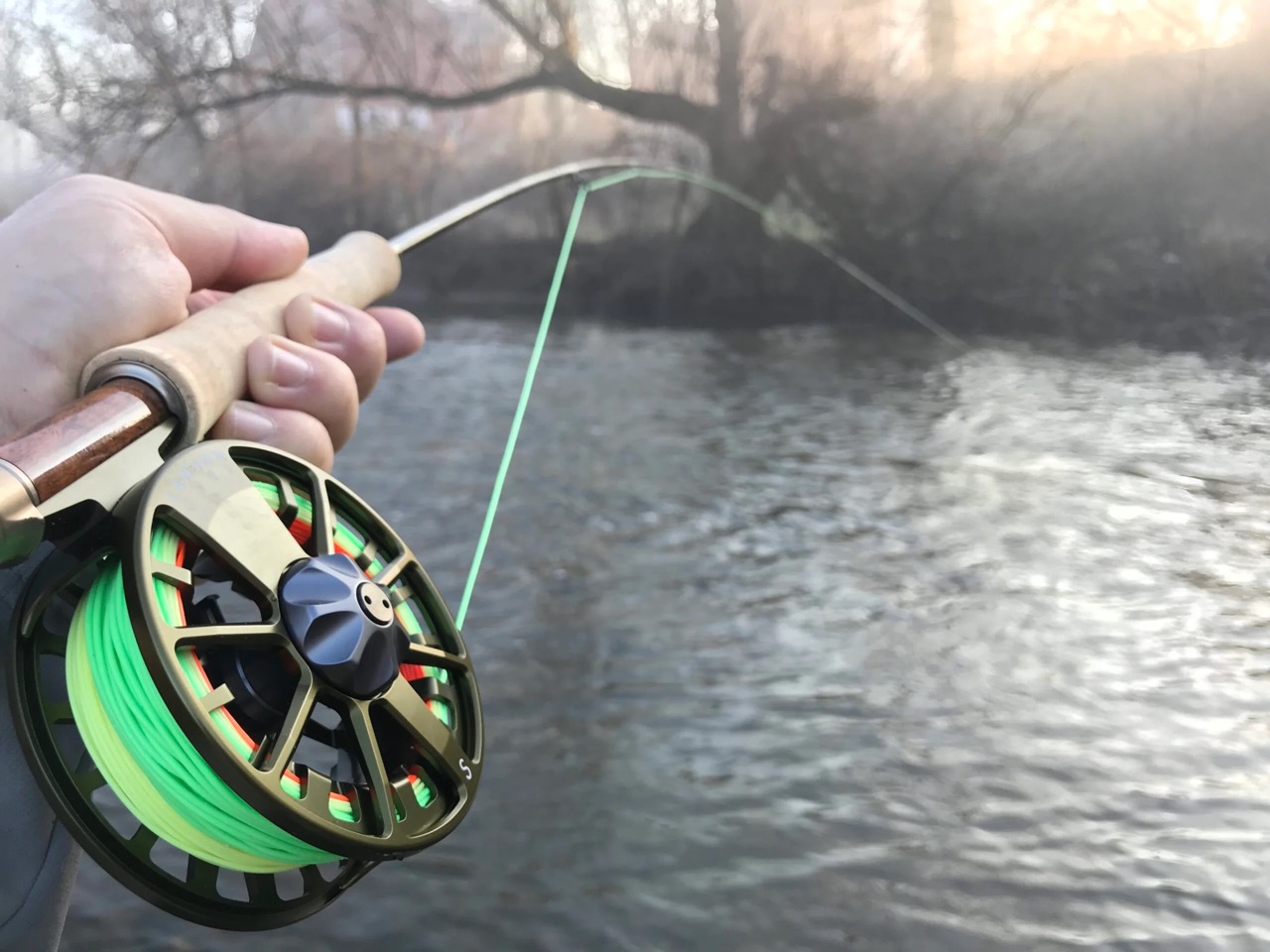
If you’re passionate about fly fishing, using a Fly fishing net correctly can make all the difference between a successful catch and unintentional harm to the fish. Proper net techniques not only protect the fish but also enhance your overall experience on the water. Whether you are a beginner or an experienced angler, understanding how to handle your net is crucial for effective and responsible fishing. This guide will walk you through essential fly fishing net tips to help you catch and release safely while preserving the health of the fish population.
Choosing the Right Fly Fishing Net
Selecting the right net is the foundation of safe catch and release. The type, size, and material of the net all play a role in minimizing stress and injury to the fish.
Types of Fly Fishing Nets
There are several types of fly fishing nets, each with unique benefits:
- Traditional Landing Nets: Typically made with a wooden frame and knotless mesh. Ideal for gentle handling of freshwater fish.
- Rubber or Silicone Nets: Reduce damage to fish scales and slime coating. Excellent for catch-and-release practices.
- Telescopic Nets: Lightweight and portable, perfect for traveling anglers.
Net Size Matters
The size of your net should match the type of fish you are targeting. Larger fish require deeper nets to prevent them from thrashing and injuring themselves. For small trout or panfish, a compact net is sufficient and easier to handle.
Material Considerations
The material of your net affects both durability and fish safety. Rubber or silicone nets are gentler on fish, while traditional nylon nets may cause scale loss and stress. Always choose a material that minimizes friction and prevents the fish from getting entangled.
Handling Your Fly Fishing Net
Proper handling of your fly fishing net ensures the fish remains unharmed from capture to release.
Approaching the Fish
Move slowly and calmly when approaching a fish. Sudden movements can spook the fish and increase the risk of injury. Submerging the net slowly under the fish allows you to cradle it gently, reducing stress and avoiding thrashing.
Positioning the Net
Hold the net parallel to the water surface when scooping up the fish. Ensure that the fish’s head faces upstream, allowing water to flow naturally over its gills. Avoid lifting the fish above water for extended periods, as this can reduce oxygen intake and increase stress.
Supporting the Fish
Once the fish is in the net, support its body with one hand while keeping the other hand near the head for control. Never squeeze or hold the fish too tightly, as this can damage internal organs.
Catch and Release Best Practices
Catch and release is a key part of sustainable fly fishing. Using a net correctly is only part of the process; careful handling before, during, and after landing the fish is equally important.
Minimizing Air Exposure
Fish can survive only a short time out of water. Limit air exposure to under 30 seconds. Keep your net partially submerged while unhooking the fish to maintain gill function and oxygen flow.
Removing the Hook
Use barbless hooks whenever possible to make removal easier and reduce injury. Gently back the hook out using needle-nose pliers or a specialized hook remover. Avoid pulling forcefully, especially if the hook is lodged deeply.
Reviving Before Release
Before releasing the fish, hold it gently in the water facing upstream. Allow it to regain strength and swim away naturally. Never throw or drop the fish back into the water. Observing the fish until it swims off ensures a successful release.
Maintaining Your Fly Fishing Net
A well-maintained net lasts longer and protects fish more effectively.
Cleaning and Drying
Rinse your net with fresh water after each fishing trip to remove debris, dirt, and saltwater residues. Hang it to dry completely before storage to prevent mold and deterioration.
Inspecting for Damage
Regularly check your net for tears, holes, or fraying. Even minor damage can injure fish or reduce the effectiveness of your catch-and-release efforts. Repair or replace damaged nets promptly.
Storage Tips
Store your net in a cool, dry place away from direct sunlight to maintain its flexibility and strength. Avoid folding the net tightly, as this can create creases and weaken the mesh.
Advanced Fly Fishing Net Tips
Experienced anglers can adopt additional techniques to enhance safety and efficiency.
Using a Landing Net with a Long Handle
A long-handled net can help reach fish in deeper water without overextending your body or stressing the fish. It also reduces the need to step into fragile habitats like riverbanks or vegetation.
Netting Fish in Fast Currents
In fast-flowing water, position the net downstream and allow the current to guide the fish gently into the net. Keep a steady hand to prevent losing control or causing injury.
Photographing Your Catch
If you want a photo, keep the fish in the water or just above the surface to reduce air exposure. Limit your photo session to a few seconds and support the fish carefully while snapping the picture.
Conclusion
Mastering the use of a fly fishing net is essential for every angler committed to sustainable, ethical fly fishing. By selecting the right net, handling fish gently, and following proper catch-and-release practices, you can enjoy your fishing trips while protecting aquatic life. Remember, the goal is to leave the water as healthy as you found it, ensuring future generations of anglers can experience the same thrill. Equip yourself with the right net, adopt these tips, and make every catch a responsible one. Your fish will thank you—literally by swimming away safely.