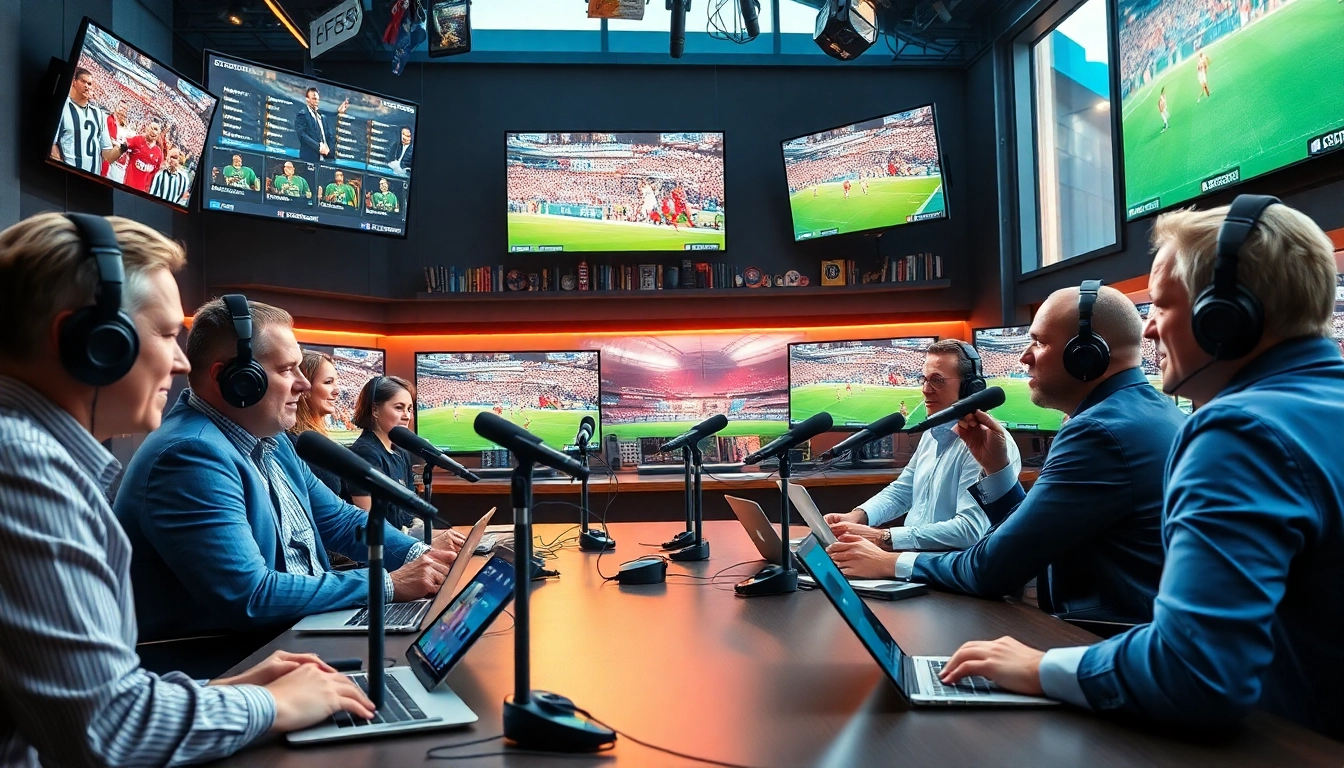
Understanding the Basics of Sports Broadcasting
Definition and Importance of Sports Broadcasting
Sports broadcasting is the dissemination of sports content, including live games, highlights, analysis, and commentary, via platforms such as television, radio, and internet streaming. The importance of Sports Broadcasting lies in its ability to bring fans closer to their favorite sports and teams, creating a shared experience across diverse audiences. This medium not only entertains but also educates viewers about the intricacies of various sports, enhancing their engagement and understanding.
Key Roles in Sports Broadcasting
The world of sports broadcasting comprises several key roles, each contributing to the overall production and delivery of content. These roles include:
- Anchor/Host: The face of the broadcast, guiding the audience through programming and providing context.
- Analyst: Offers expert commentary and insights on the sport, enhancing viewers' understanding of tactics and strategies.
- Reporter: Covers news, player interviews, and behind-the-scenes stories that bring an intimate connection to the viewers.
- Technical Crew: Includes camera operators, sound technicians, and directors who ensure a seamless broadcast experience.
Types of Sports Broadcasting Formats
Sports broadcasting manifests in various formats, catering to different audience preferences. The most common formats include:
- Live Broadcasts: Real-time coverage of games, events, or matches, often including play-by-play commentary.
- Highlight Shows: Condensed recaps of games focusing on pivotal moments, catered to those who may have missed the live action.
- Documentaries: In-depth storytelling focusing on athletes, events, or historical perspectives, providing a broader context to the sport.
- Podcasts: Audio formats that allow for deep discussions and analyses, perfect for on-the-go consumption.
Essential Equipment and Technology for Sports Broadcasting
Cameras and Audio Equipment
The quality of sports broadcasting heavily depends on the equipment used. Cameras should be high-definition and capable of capturing fast-moving action with clarity. Typical setups include:
- Multi-Camera Systems: Allow for different angles and perspectives during live events, enriching the viewer experience.
- Robotic Cameras: Often deployed in high locations to capture overhead shots, providing a complete view of the action.
- Microphones: Lavalier and shotgun microphones are essential for capturing clear audio from players and commentators.
Broadcast Software and Tools
In today's digital age, advanced software tools enhance the broadcasting experience. Key tools include:
- Production Software: Enables seamless switching between camera feeds and graphics, ensuring a smooth presentation.
- Graphic Creation Tools: For live stats and score updates, engaging viewers with dynamic visuals.
- Editing Software: Post-production tools for creating highlight reels and promotional videos.
Streaming Technology in Sports Broadcasting
With the rise of digital media, streaming technology has revolutionized sports broadcasting. Key elements include:
- Content Delivery Networks (CDNs): Ensure fast, reliable streaming to a global audience with minimal latency.
- Adaptive Bitrate Streaming: Adjusts streaming quality based on viewer bandwidth, enhancing the viewing experience.
- Engagement Tools: Chat functions, polls, and interactive graphics keep viewers connected and engaged during broadcasts.
Techniques for Engaging Audiences in Sports Broadcasting
Creating Compelling Narratives
Effective sports broadcasting goes beyond just delivering facts. Crafting compelling narratives involves telling stories about players, teams, and the emotional stakes of competition. Techniques include:
- Character Development: Highlighting individual athletes’ backgrounds, struggles, and triumphs.
- Historic Context: Tying current events to historical moments in sports, making the narrative more relatable.
- In-Depth Analysis: Providing insights into tactics and strategies, keeping the audience intrigued.
Utilizing Graphics and Statistics
Visual enhancements can significantly elevate the viewing experience. Effective use of graphics includes:
- Real-Time Stats: Displaying live statistics to inform viewers about team performance and player metrics.
- Visual Analyses: Breakdown of plays or strategies using graphics, helping audiences understand game dynamics.
- Infographics: Summarizing complex data in an easily digestible format enhances viewer engagement.
Interactive Elements in Broadcasts
With advances in technology, interactive elements can significantly enhance audience engagement. Examples include:
- Viewer Polls: Engaging the audience by allowing them to voice opinions on player performances or game outcomes.
- Live Social Media Integration: Showcasing tweets or comments during broadcasts to create community engagement.
- Augmented Reality (AR): Bringing viewers into the action with AR graphics that provide additional context and excitement.
Challenges in Sports Broadcasting
Managing Live Broadcast Issues
Live sports broadcasting comes with its set of challenges, such as:
- Technical Failures: Equipment malfunctions can occur, and having contingency plans ensures a smooth broadcast.
- Weather Conditions: In outdoor sports, weather can impact broadcasts, necessitating suitable adjustments and strategies.
- Unexpected Events: Injuries or controversial moments must be handled sensitively and professionally by broadcasters.
Balancing Sponsorships and Credibility
While sponsorships provide financial backing, they can also pose risks if not managed carefully. Journalists should focus on maintaining credibility while fulfilling sponsorship obligations by:
- Clear Disclosures: Being transparent about sponsored content and advertisements during broadcasts.
- Balanced Commentary: Providing critical analysis while respecting commercial partnerships to uphold trust with the audience.
- Engaging Content: Creating content that entertains while showcasing sponsors subtly fosters better audience relationships.
Adapting to Rapid Changes in Technology
The broadcasting industry must continuously adapt to new technology, which can be daunting. Some strategies include:
- Ongoing Training: Regular professional development ensures all staff are familiar with the latest tools and techniques.
- Investment in Technology: Allocating budgets for upgrading equipment and systems keeps broadcasts competitive and high-quality.
- Monitoring Trends: Keeping an eye on emerging technologies and audience preferences to enhance future broadcasts.
Measuring Success in Sports Broadcasting
Key Performance Indicators (KPIs)
To measure the effectiveness of sports broadcasting, various KPIs are monitored, including:
- Viewership Numbers: Tracking live viewers and those who watch replays is crucial for assessing reach.
- Audience Reach: Understanding demographic information about viewership helps tailor content to target audiences.
- Revenue Generated: Assessing income from advertisements, sponsorships, and merchandise indicates financial success.
Audience Engagement Metrics
Engagement metrics provide insight into how well the audience interacts with broadcasts. These include:
- Social Media Interactions: Likes, shares, and comments reflect audience investment in the content being presented.
- Feedback Surveys: Gathering viewer opinions post-broadcast can provide valuable insights for improvement.
- Viewing Time: Assessing how much time viewers spend on specific segments highlights audience interest.
Feedback and Continuous Improvement
Continuous improvement is necessary in sports broadcasting, relying on feedback loops. Effective pathways include:
- Post-Event Reviews: Holding debriefs after broadcasts to discuss what worked and what didn’t is essential for learning.
- Engagement Analytics: Analyzing viewer responses to gauge which elements resonate and which may need refinement.
- Adaptation of Strategies: Being responsive to feedback allows sports broadcasters to evolve based on audience needs.
FAQs
What is the primary role of sports broadcasters?
The primary role of sports broadcasters is to deliver live sports events, engaging commentary, analysis, and news to audiences across different platforms.
How can technology improve sports broadcasting?
Technology enhances sports broadcasting through high-quality visuals, real-time statistics, and interactive elements to engage viewers more effectively.
What are the challenges faced in live sports broadcasting?
Challenges include technical failures, weather issues, and managing the unexpected, which requires preparation and flexibility from broadcasters.
How is audience engagement measured in sports broadcasts?
Engagement can be measured through social media interaction, viewership statistics, and audience feedback surveys to assess effectiveness.
What are key performance indicators for sports broadcasting?
KPIs include viewership numbers, audience reach, and revenue from advertisements, helping assess the success of broadcasting efforts.