Understanding CNC Machining Parts and Their Importance
CNC machining parts play a critical role in modern manufacturing, serving as the backbone for precision engineering across various industries. These components, crafted using Computer Numerical Control (CNC) technology, allow for high levels of accuracy and repeatability in production processes. The efficiency and adaptability of CNC machining make it an ideal choice for creating complex geometries that are increasingly demanded in today's fast-paced market. When exploring options, cnc machining parts can meet a wide range of specifications and applications.
What Are CNC Machining Parts?
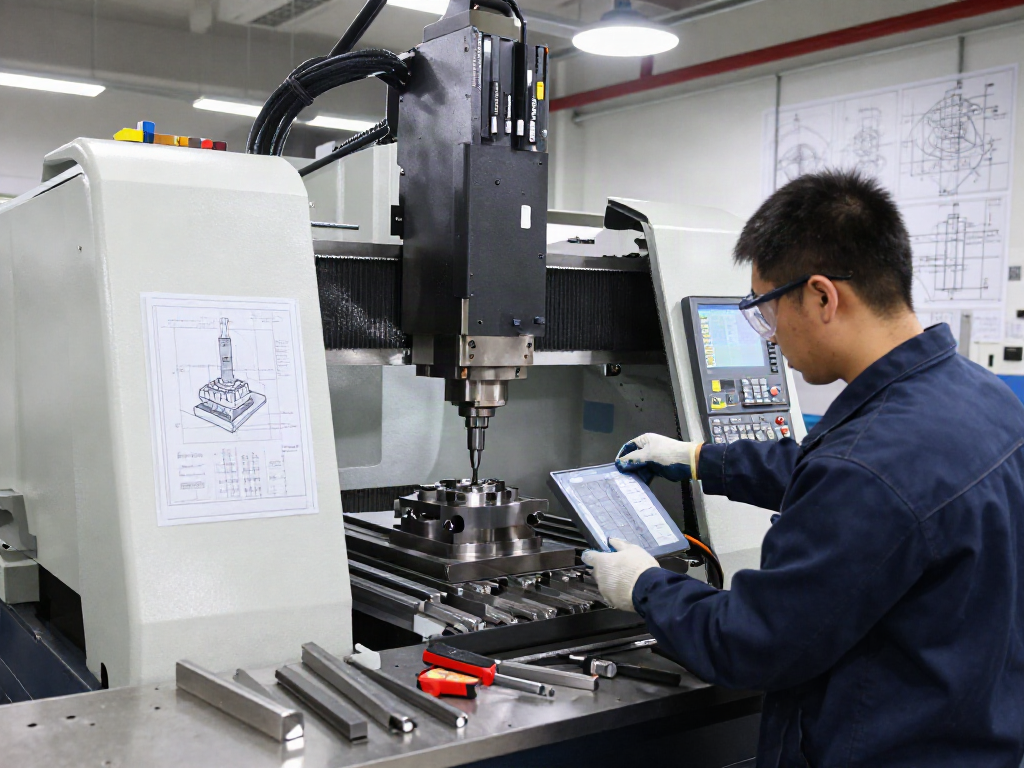
CNC machining parts are components produced through a manufacturing process that utilizes computer-controlled machines. These parts can be made from various materials, including metals, plastics, and wood, depending on the application requirements. The CNC process transforms raw materials into finished parts by following detailed computer-aided design (CAD) models. This technology is applicable in creating parts such as brackets, housings, and intricate gears, ensuring precision at every stage.
The Role of Precision in Machining Parts
Precision is paramount in the CNC machining industry. Parts must meet strict tolerances to function correctly in their respective applications. This level of accuracy is achieved through advanced programming and machine operation. The importance of precision extends beyond functionality; it also impacts safety, reliability, and operational efficiency of the final products. Minor deviations from specifications can lead to performance issues or, in some cases, catastrophic failures.
Industries That Rely on CNC Machining
Numerous industries depend on CNC machining for their production needs. Notable examples include:
- Aerospace: Parts must be lightweight yet robust for safety and performance.
- Automotive: Requires high-quality components for vehicles that meet efficiency and safety standards.
- Medical Devices: Must adhere to stringent regulations and quality standards.
- Electronics: Precision parts are needed for devices that require exact fittings.
Common Challenges in CNC Machining Parts Production
Despite its advantages, CNC machining production presents certain challenges that manufacturers must navigate. Understanding these challenges can help in implementing effective solutions.
Material Selection Problems
Selecting the right material is crucial for the success of CNC machined parts. Each material has unique properties that affect durability, cost, and machinability. Factors such as tensile strength, corrosion resistance, and weight must be considered during material selection. Additionally, the compatibility of materials with specific machining processes can pose significant challenges.
Precision vs. Cost: Finding the Right Balance
As with most manufacturing processes, there is often a trade-off between precision and cost. High-precision parts typically require advanced technology and skilled labor, leading to increased production costs. Manufacturers must assess their needs and determine the appropriate level of quality required for their projects, balancing performance against budget constraints.
Machining Tolerances and Their Impact
Machining tolerances define the allowable deviations in the dimensions of CNC machined parts. Tighter tolerances result in higher production costs and time. However, failing to meet required tolerances can lead to part failures, affecting overall project timelines and costs. Thus, understanding and managing tolerances is essential for successful CNC machining operations.
Best Practices for Selecting CNC Machining Services
Choosing the right CNC machining service provider can profoundly impact the quality of the final product. Here are best practices to consider:
Evaluating Service Providers for CNC Machining Parts
When selecting a CNC machining service, evaluate their experience, capabilities, and customer reviews. It's essential to look for providers with a proven track record in your industry. Assess their adherence to quality standards and certifications, as these reflect the reliability and precision of their manufacturing practices.
Understanding Quotes and Pricing Structures
Different providers may have unique pricing structures; thus, it’s vital to understand what factors influence costs. Reach out to multiple suppliers for quotes and ensure they break down the costs involved. This transparency can facilitate better decision-making and help you identify the most cost-effective solution without sacrificing quality.
Importance of Communication and Technical Support
Effective communication with your CNC machining service provider is essential for successful collaboration. Ensure that they offer technical support throughout the process, from design to production. Open communication allows for quick resolution of any issues that arise, minimizing delays and enhancing overall project outcomes.
Case Studies: Successful CNC Machining Parts Applications
Real-world applications of CNC machining demonstrate its versatility and effectiveness in various sectors. Here are some notable case studies:
Custom Components in the Aerospace Industry
Aerospace manufacturers rely on CNC machining for producing critical components like brackets and fuselage parts. For example, a leading aerospace company utilized CNC machining to create lightweight yet strong components essential for enhancing aircraft performance. The precision achieved through CNC technology significantly improved safety and efficiency during flight operations.
Innovative Solutions in Automotive Manufacturing
The automotive industry has embraced CNC machining to produce engine parts that meet stringent performance standards. A global automotive manufacturer integrated CNC machining into their production line, resulting in a 20% reduction in production time while maintaining high-quality standards. This innovation not only saved costs but also improved their time-to-market.
Medical Device Parts: Meeting Strict Standards
In the medical field, companies rely on CNC machining to manufacture components for devices such as surgical instruments and implants. A medical device company faced challenges in producing components that complied with FDA regulations. By using CNC machining technology, they improved precision and consistency, resulting in higher quality products and improved patient safety.
Future Trends in CNC Machining Parts by 2026
The landscape of CNC machining is evolving, influenced by technological advancements and industry demands. Here are some anticipated trends:
Advancements in Automation and Robotics
Automation is set to transform CNC machining, enhancing production efficiency and reducing labor costs. Implementing robotic systems can facilitate tasks such as loading and unloading parts, allowing human operators to focus on more complex activities. As these technologies evolve, manufacturers that adopt them will gain a competitive edge.
Sustainability in CNC Machining Practices
With increasing focus on environmental impact, sustainability is becoming integral to CNC machining processes. Manufacturers are exploring eco-friendly materials and reducing waste through lean manufacturing techniques. This shift not only complies with regulations but also attracts environmentally conscious customers.
Emerging Technologies Impacting CNC Machining Parts
Technologies such as additive manufacturing and IoT integration are beginning to influence traditional CNC machining. Additive processes can complement CNC machining, offering unique solutions for complex geometries. Furthermore, IoT integration provides real-time data monitoring and analytics, enabling predictive maintenance and ultimately enhancing production efficiency.
What is the importance of CNC machining parts?
CNC machining parts are essential for ensuring precision and performance in manufactured products. Their ability to meet exact specifications means that they play a crucial role in the reliability and safety of many applications across diverse industries.
How do I choose the right CNC machining provider?
Choosing the right provider involves evaluating their experience, understanding their pricing structures, and ensuring they maintain high quality and precision. Communication is also vital to effective collaboration throughout the project.
What materials are best suited for CNC machining parts?
The best materials for CNC machined parts depend on the specific application. Common materials include aluminum, stainless steel, brass, and plastics, each offering unique characteristics that suit different needs.
What are the typical lead times for CNC machining parts?
Lead times for CNC machining parts can vary significantly based on complexity, volume, and the provider's capacity. Typically, lead times can range from a few days to several weeks, depending on the specifications and workload of the manufacturer.
How can I ensure quality in CNC machining parts?
Ensuring quality involves selecting reputable manufacturers, conducting regular inspections, and utilizing advanced quality control measures. Implementing strict tolerances and conducting thorough testing before delivery can also enhance product reliability.