
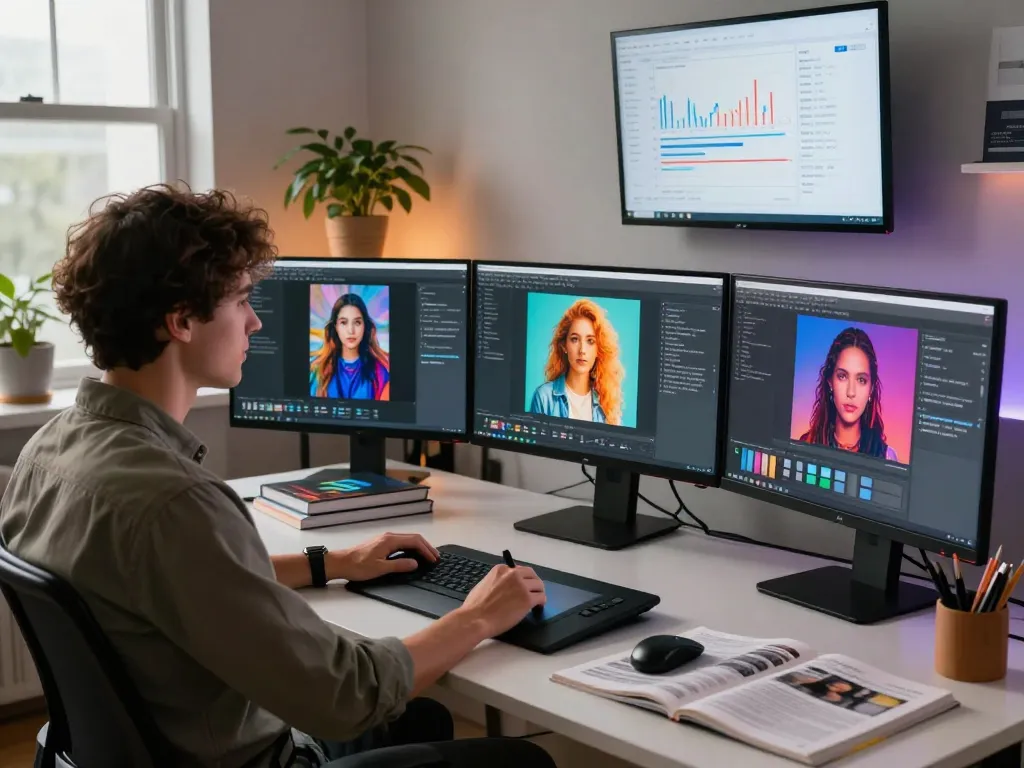

Understanding Image to Prompt AI Technology
The advent of artificial intelligence has transformed numerous sectors, enabling innovations that were once relegated to the realms of science fiction. Among these advancements is the image to prompt AI technology, which facilitates the interaction between visual content and textual descriptions. This technology allows users to convert images into textual prompts that AI models can use to generate new images, essentially bridging the gap between imagery and language. As we delve deeper into this topic, we shall explore the mechanics of this technology and its various applications in today’s digital ecosystem. For those interested in exploring tools in this domain, image to prompt ai offers excellent resources.
What is Image to Prompt AI?
Image to Prompt AI refers to a set of technologies that utilize artificial intelligence to analyze an image and generate descriptive textual prompts. These prompts serve as inputs for other AI models, particularly generative ones like DALL-E or MidJourney, which can create images based on the textual descriptions. This process is crucial for artists, designers, and content creators who wish to leverage AI’s capabilities to enhance their creative projects.
How Does Image to Prompt AI Work?
The fundamental working principle of image to prompt AI can be broken down into several stages. Initially, the AI system employs computer vision techniques to analyze the visual content of an image. This involves recognizing objects, colors, textures, and various elements within the image. Once the analysis is complete, the AI generates a textual description that encapsulates the significant features identified. This description can then be refined or expanded based on user needs, serving as an effective prompt for generating new visuals.
Key Benefits of Using Image to Prompt AI
- Enhanced Creativity: By transforming images into prompts, artists can explore new ideas and inspirations that they may not have considered otherwise.
- Time Efficiency: The process of generating prompts automatically can save valuable time, allowing creators to focus on the actual execution of their projects.
- Accessibility: This technology democratizes access to creative tools, enabling users with varying levels of expertise to generate high-quality visuals.
- Collaboration: It fosters collaboration between artists and AI, allowing for innovative combinations of human creativity and machine learning capabilities.
Getting Started with Image to Prompt AI Tools
For those looking to harness the power of image to prompt AI, selecting the right tools is crucial. With an array of options available, it is essential to choose software that aligns with your specific needs and objectives.
Choosing the Right Image to Prompt AI Tool
There are several factors to consider when selecting an image to prompt AI tool. Evaluate the specific features offered by different tools, such as the user interface, speed of processing, and the quality of output prompts. Tools like ImagePrompt.org and Flux AI have made significant strides in this arena, offering robust options for users aiming to convert images into effective prompts.
Setting Up Your Image to Prompt AI Workspace
To maximize your productivity with image to prompt AI, it’s essential to set up your workspace effectively. This can involve organizing your image libraries, ensuring that your software is compatible with the types of files you will be using, and familiarizing yourself with the features of your chosen tool. A well-organized workspace will streamline your workflow and enable you to generate prompts more efficiently.
Common Features to Look for in Image to Prompt AI Software
When evaluating image to prompt AI tools, consider the following features:
- Accuracy: The ability of the software to generate prompts that accurately reflect the content and context of the input image.
- User-Friendly Interface: An intuitive design that allows users to navigate the tool easily, making the process of generating prompts more efficient.
- Integration Capabilities: The tool’s ability to integrate with other creative software or platforms to streamline your workflow.
- Customization Options: The flexibility to refine and modify generated prompts based on user input and creative direction.
Best Practices for Generating Effective Prompts
Generating effective prompts from images requires a strategic approach. Here are some best practices to follow:
Tips for Selecting Images for Prompt Generation
The type of images you choose significantly impacts the quality of the generated prompts. Opt for images that are rich in detail and context. Images featuring a variety of elements – such as people, objects, and textures – tend to yield more descriptive and versatile prompts.
Optimizing Image Quality for Better Prompts
High-resolution images typically produce better results in prompt generation. Ensure that your images are well-lit, in focus, and capture the subject matter clearly. This attention to detail will enhance the accuracy and effectiveness of the prompts generated.
Crafting Contextual Prompts from Images
While automated systems are excellent at generating basic descriptions, adding contextual nuances can significantly improve the relevance of the prompts. Consider the emotional context, historical significance, or potential uses of the image when refining the generated text.
Enhancing Creative Output with Image to Prompt AI
Integrating image to prompt AI tools into your creative projects can elevate your output, offering new avenues for exploration and innovation.
Integrating Image to Prompt AI in Creative Projects
Utilizing image to prompt AI facilitates a collaborative creative process. Artists can input images from various projects to generate prompts that inspire new artworks, designs, or narratives. This technology not only saves time but also encourages an iterative process where ideas can evolve rapidly.
Case Studies of Successful Image to Prompt AI Applications
Several industries have successfully leveraged image to prompt AI in their workflows. For instance, in the advertising sector, agencies use these technologies to create dynamic content that resonates with their target audiences. Fashion brands integrate this AI to generate visual imagery for marketing campaigns, effectively streamlining their creative processes.
Future Trends in Image to Prompt AI Technology
As technology evolves, the capabilities of image to prompt AI are expected to expand dramatically. Future trends may include improved accuracy in prompt generation through advanced machine learning algorithms and the incorporation of augmented reality elements that allow for real-time image analysis and prompt generation.
Measuring Success with Image to Prompt AI
To ensure the effectiveness of your image to prompt AI endeavors, measuring success through specific metrics is essential.
Key Metrics for Evaluating Prompt Quality
Evaluate the quality of generated prompts by assessing their relevance, creativity, and utility. User feedback can provide valuable insights into how well the prompts serve their intended purpose and whether they can be improved further.
Feedback Loops: Improving AI Performance Over Time
Establishing feedback loops is crucial for enhancing AI performance over time. Regularly analyzing results and implementing user suggestions can lead to iterative improvements, ensuring that the prompts generated are consistently refined and relevant.
Real-World Applications and Their Impact on Industries
The impact of image to prompt AI extends across various sectors, shaping how business operates. In entertainment, for instance, content creators leverage this technology to enhance storytelling by generating engaging visuals based on scripts. Similarly, educational institutions are beginning to adopt these tools to create visually rich learning materials that cater to diverse learning styles.
What is Image to Prompt AI Used For?
Image to prompt AI has a wide range of applications, including content creation for social media, artwork generation, video game development, and marketing collateral. Its versatility makes it an invaluable resource for professionals across different industries.
How Can I Improve My Prompts Generated by Image to Prompt AI?
Improving prompts generated by image to prompt AI involves refining the input image quality, providing contextual information, and actively engaging with the generated content to ensure it meets your project’s specific needs.
Is Image to Prompt AI Applicable in Different Industries?
Yes, image to prompt AI is applicable across numerous industries such as advertising, entertainment, education, and e-commerce. Its ability to convert images into descriptive prompts facilitates creativity and effectiveness in various contexts.
What are the Challenges of Using Image to Prompt AI?
Challenges may include the inconsistency of output quality, the necessity for high-quality input images, and the potential for bias in AI-generated content. Addressing these challenges requires ongoing training and refinement of the models used.
What are the Emerging Trends in AI Prompt Generation for 2026?
As we move into 2026, emerging trends may focus on personalization in prompt generation, enhanced integration with virtual and augmented realities, and the development of more sophisticated AI systems capable of understanding context and nuance in both images and text.