
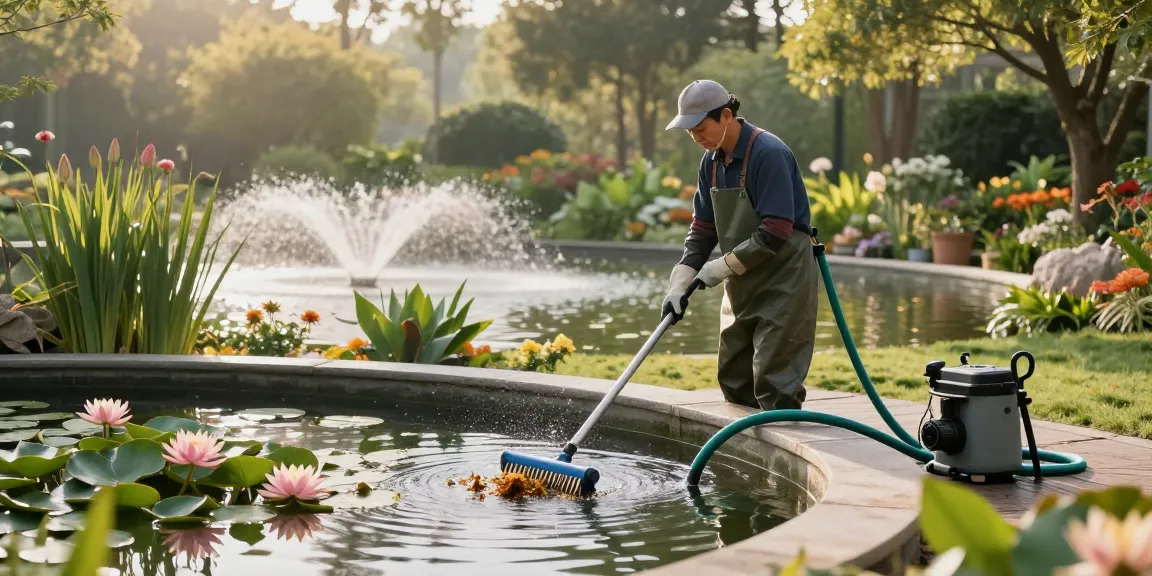

Understanding the Importance of Regular Pond Maintenance
A well-maintained pond not only enhances the beauty of your landscape but also plays a critical role in the health of the local ecosystem. Regular pond maintenance is essential to keeping your aquatic environment thriving. This includes tasks such as cleaning, ensuring proper water quality, and managing the pond’s wildlife. When exploring options, Pond Clean London provides comprehensive insights into professional cleaning services that can help maintain your pond’s vitality and aesthetic appeal.
What Does Pond Cleaning Involve?
Pond cleaning involves several steps to ensure that the water remains healthy and the ecosystem balanced. This process typically includes:
- Removing Debris: Leaves, branches, and algae can accumulate and disrupt the pond’s ecosystem. Regular debris removal is crucial.
- Cleaning Filters and Pumps: Keeping these systems clear of blockages ensures proper water circulation and filtration.
- Testing Water Quality: Monitoring pH, nitrogen, and phosphate levels helps identify issues that could harm aquatic life.
- Managing Plants: Some aquatic plants can become invasive and need to be trimmed or removed to maintain balance.
Benefits of Professional Pond Care
Hiring a professional for pond care offers numerous advantages:
- Expertise: Trained professionals can quickly identify and address issues that an untrained eye might miss.
- Time-Saving: Regular maintenance can be time-consuming. Professionals can save you time, allowing you to focus on other aspects of your garden.
- Healthier Ecosystem: Experts use techniques that promote a balanced ecosystem, which can lead to healthier fish and plants.
- Management of Challenges: Professionals are equipped to handle common challenges, such as algae blooms or pest infestations.
Common Challenges in Pond Maintenance
Despite the benefits of regular maintenance, pond owners often face several challenges:
- Algae Blooms: A sudden increase in nutrients can lead to excessive algae growth, which can suffocate fish and plants.
- Invasive Species: Non-native plants or animals can disrupt the balance of the pond ecosystem.
- Water Quality Issues: Poor water circulation and contamination can lead to an unhealthy pond environment.
How to Select the Right Pond Cleaning Service
Choosing the right pond cleaning service is crucial for ensuring that your pond remains in optimal condition. Here are some key considerations:
Key Qualities of a Reliable Pond Service
- Experience: Look for a company with a proven track record in pond maintenance and cleaning.
- Certification: Certifications can indicate that a service follows industry standards and best practices.
- Customer Service: A reliable service should be responsive and willing to answer your questions.
Questions to Ask Before Hiring
Before finalizing a pond cleaning service, consider asking the following questions:
- What specific services do you offer?
- Can you provide references from past clients?
- What methods do you use for cleaning?
- Are you insured and licensed?
Reading and Understanding Customer Reviews
Customer reviews can offer valuable insights into a pond cleaning service’s performance. Look for patterns in reviews regarding:
- Overall satisfaction: Are customers generally happy with their service?
- Quality of work: Did they receive thorough cleaning and maintenance?
- Timeliness: Did the service arrive on time and complete the work as promised?
Best Practices for DIY Pond Care
If you prefer to maintain your pond on your own, there are several best practices you should follow:
Essential Tools for Pond Cleaning
Having the right tools is key to effective DIY pond care. Consider equipping yourself with the following:
- Net: To remove debris and fish safely.
- Suction Pump: For removing sludge and organic matter from the pond bottom.
- Water Testing Kits: To monitor the quality of the water routinely.
- Aquatic Rake: To manage invasive plant growth.
Step-by-Step Guide to Cleaning Your Pond
Cleaning your pond can be a straightforward process if approached methodically:
- Assess the Pond: Evaluate the overall condition, including water clarity and the presence of debris.
- Remove Debris: Use a net to gather leaves, twigs, and other floating debris.
- Clean the Bottom: Use a suction pump to remove sludge and organic material from the pond floor.
- Check Equipment: Clean or replace filters and pumps as necessary.
- Test Water Quality: Use a testing kit to ensure that water parameters are in the ideal range for your aquatic life.
How to Maintain Healthy Pond Ecosystems
Maintaining a healthy pond ecosystem requires ongoing attention:
- Introduce Beneficial Bacteria: These can help break down organic matter and improve water quality.
- Plant Native Aquatic Plants: They enhance the aesthetic appeal while providing shelter and food for wildlife.
- Control Nutrient Levels: Avoid over-fertilizing lawns near the pond, as runoff can lead to nutrient overloading.
Trends in Pond Maintenance for 2026 and Beyond
The future of pond maintenance is evolving, with new techniques and trends emerging to enhance care practices:
Adopting Eco-Friendly Cleaning Solutions
With an increasing focus on sustainability, many pond cleaning services are now turning to eco-friendly products that minimize the impact on surrounding ecosystems. These include:
- Natural Algae Control: Using barley straw or similar products to reduce algae growth naturally.
- Biological Treatments: Implementing beneficial microorganisms to enhance water quality.
Technology Innovations in Pond Care
Advancements in technology are also influencing how ponds are maintained:
- Remote Monitoring: Sensors can be installed to monitor water quality parameters in real-time.
- Automated Cleaning Systems: Some companies offer robotic cleaners that keep ponds clear of debris automatically.
Local Regulations Affecting Pond Maintenance
Understanding local regulations regarding pond maintenance can help avoid legal issues:
- Permits: Some areas require permits for chemical treatments or large-scale maintenance.
- Environmental Guidelines: Regulations may dictate how much vegetation you can remove from your pond.
Frequently Asked Questions about Pond Cleaning
What are the signs that my pond needs a clean?
Common signs include murky water, unpleasant odors, excessive algae growth, and a noticeable presence of debris.
How often should I have my pond professionally cleaned?
It is typically recommended to have your pond professionally cleaned at least once a year, although more frequent maintenance may be necessary depending on the pond’s size and environment.
Can pond cleaning help improve fish health?
Yes, regular cleaning and maintenance can significantly improve fish health by ensuring clean water and a balanced ecosystem.
What types of debris are most commonly removed during cleaning?
Common debris includes leaves, algae, sediment, and organic materials such as dead plants and fish.
Are there any seasonal considerations for pond maintenance?
Yes, each season presents unique challenges. Spring is ideal for cleaning before algae blooms, while fall requires leaf management to prevent buildup in the winter.