Introduction to Fly Fishing for Bass
Fly fishing is an art form that marries skill, patience, and a deep understanding of fish behavior. Among the many species targeted by anglers, bass—particularly Largemouth and Smallmouth bass—are favorites due to their aggressive feeding patterns, size, and accessibility. In this comprehensive guide, we'll delve into the nuances of Fly fishing for bass, exploring essential gear, effective techniques, and prime locations for successful fishing.
What Is Fly Fishing for Bass?
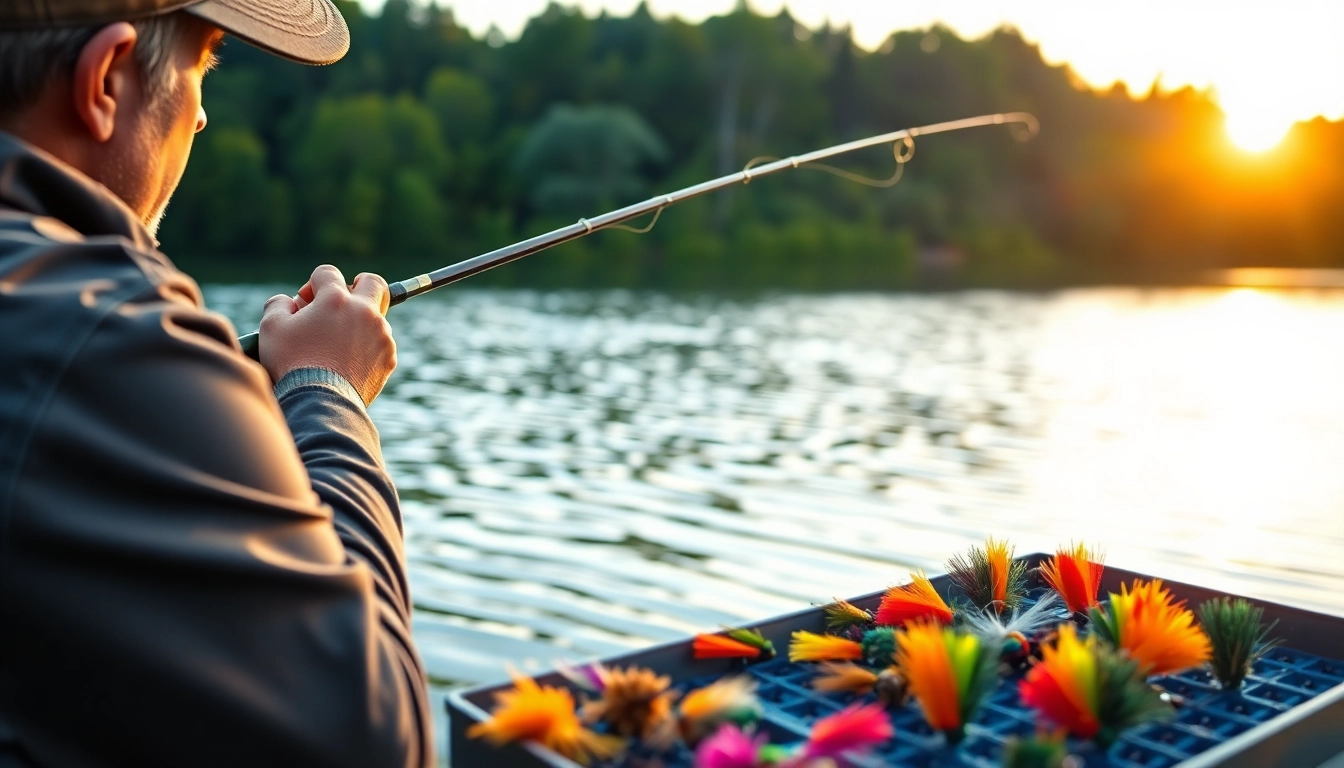
Fly fishing for bass involves using artificial flies, crafted to mimic the natural food sources of bass, while employing a specialized rod and reel setup. Unlike conventional baitcasting or spinning techniques, fly fishing emphasizes the presentation of the fly and requires unique casting techniques. The experience ranges from tranquil moments on the water to exhilarating fights with a feisty bass on the line, making it both a challenging and rewarding pursuit.
Why Choose Fly Fishing for Bass?
There are several compelling reasons to embrace fly fishing for bass:
- Connection to Nature: Fly fishing often takes place in serene environments, allowing anglers to enjoy nature while honing their craft.
- Variety of Techniques: The range of casting and retrieving techniques keeps the experience exciting and engaging.
- Targeting Specific Species: Using flies enables anglers to selectively target bass, leading to more productive fishing sessions.
- Skill Development: Fly fishing challenges individuals to improve their casting accuracy, feel for the fish, and understanding of aquatic ecosystems.
Understanding Bass Species
Two primary bass species are sought after in fly fishing: Largemouth Bass and Smallmouth Bass. Understanding their behavior, feeding habits, and habitat preferences provides valuable insights for successful targeting.
- Largemouth Bass: Preferring warmer waters, they are often found in lakes, ponds, and slow-moving rivers. Their large mouths enable them to consume a variety of prey.
- Smallmouth Bass: Found in cooler, clearer waters, Smallmouth bass typically inhabit rivers and rocky areas. They are known for their aggressive strikes and powerful fights.
Essential Gear for Fly Fishing for Bass
Choosing the Right Fly Rod and Reel
The first step in preparing for fly fishing for bass is selecting the appropriate gear. A rod in the 6 to 8-weight range is typically ideal for most bass fishing scenarios, providing the necessary backbone to handle larger fish.
Your reel should feature a solid drag system to manage the strong runs of bass. A large arbor reel is particularly useful, as it enables quicker line retrieval and allows for smooth drag.
Must-Have Flies for Bass Fishing
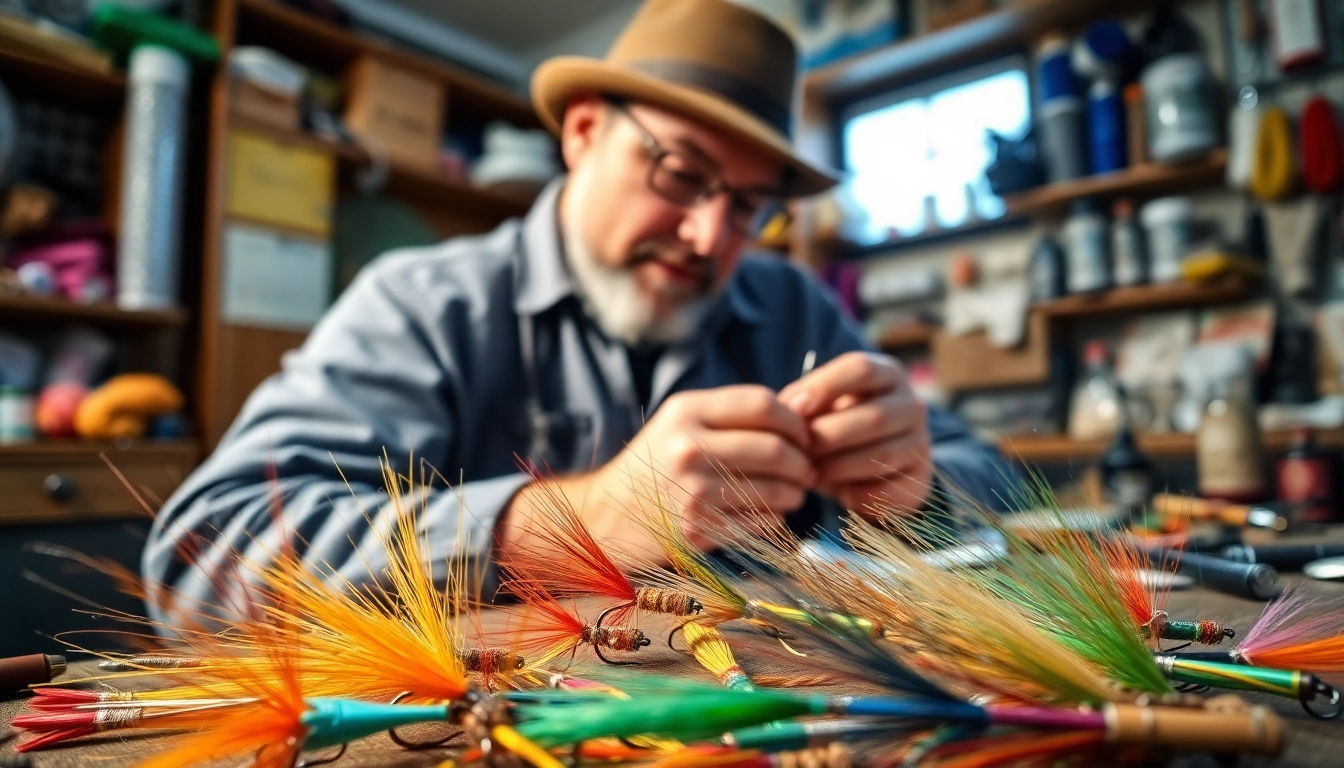
When it comes to the flies themselves, variety is key. Some effective patterns include:
- Streamers: Large, colorful streamers can imitate prey fish, making them irresistible to hungry bass.
- Poppers: Topwater flies like poppers create surface commotion, attracting bass from below.
- Woolly Buggers: These versatile flies can mimic both aquatic insects and baitfish, making them effective in various conditions.
Other Gear: Leaders, Tippets, and Accessories
A strong leader line is crucial when targeting bass. A 9 to 12-foot leader tapering down to 10 to 20-pound test line is ideal. Tippets should be chosen based on the size and strength of expected fish. Accessories such as floatant for topwater flies, a net for landing fish, and sun protection gear can enhance your overall experience on the water.
Techniques for Effective Fly Fishing for Bass
Cast Techniques for Bass
Mastering casting techniques is vital in fly fishing. The most common methods include:
- Overhead Cast: Ideal for distance casting, this technique involves a smooth, controlled motion to place the fly where bass are feeding.
- Roll Cast: Useful in tight spaces, such as around vegetation, rolling the line out enables quick presentation without backcasting.
Retrieve Techniques for Bass
How you retrieve your fly can make all the difference. Experiment with various retrieves, such as:
- Strip Retrieve: Quickly pulling the line with short, rapid pulls to imitate fleeing prey.
- Pauze and Go: Alternating between fast strips and pauses can simulate an injured fish, eliciting strikes from opportunistic bass.
Reading Water: Where to Look for Bass
Learning to read water effectively helps in identifying ideal bass locations. Look for:
- Structure: Fallen trees, rocks, and weed beds provide cover for bass and are prime locations to cast your fly.
- Current: Bass often position themselves in the eddies or slow water near fast-moving currents, waiting for food to be swept by.
Best Seasons and Locations for Fly Fishing for Bass
Seasonal Variations in Bass Behavior
Understanding how bass behavior changes with the seasons can significantly enhance your fishing outings. In warmer months, bass are more active and can be found in shallow waters. During colder months, they often move to deeper sections, becoming less active.
Top Locations Across the US
The United States offers countless destinations for fly fishing for bass. Some notable locations include:
- Florida's Lakes: Known for abundant populations of Largemouth bass.
- Wisconsin Rivers: Renowned for Smallmouth bass, especially in the summer.
- California's Coastal Regions: Offers unique access to bass fishing in both fresh and saltwater.
Local Regulations and Conservation
Before heading out, familiarize yourself with local fishing regulations, including licenses and season dates. Practicing catch-and-release methods helps conserve bass populations, ensuring future generations can enjoy the thrill of bass fishing.
FAQs about Fly Fishing for Bass
Is Fly Fishing Effective for Bass?
Yes, fly fishing can be very effective for catching both small and large bass when done with the right techniques and gear.
What Is the 60/20/20 Rule in Fly Fishing?
This rule applies to leader construction, suggesting a structure of 60% butt section, 20% midsection, and 20% tippet, which enhances presentation.
Where Is the Best Place to Fly Fish for Bass?
Optimal locations are areas with structures like rocks, fallen trees, and ledges. Ponds and lakes also provide excellent environments for bass.
What Flies Work Best for Bass?
Top choices include streamers, poppers, and Woolly Buggers, all of which mimic various prey that bass find appealing.
How Can I Improve My Casting Techniques?
Practice regularly, focusing on smooth motion and accuracy. Studying different casting techniques can also enhance your skills significantly.