
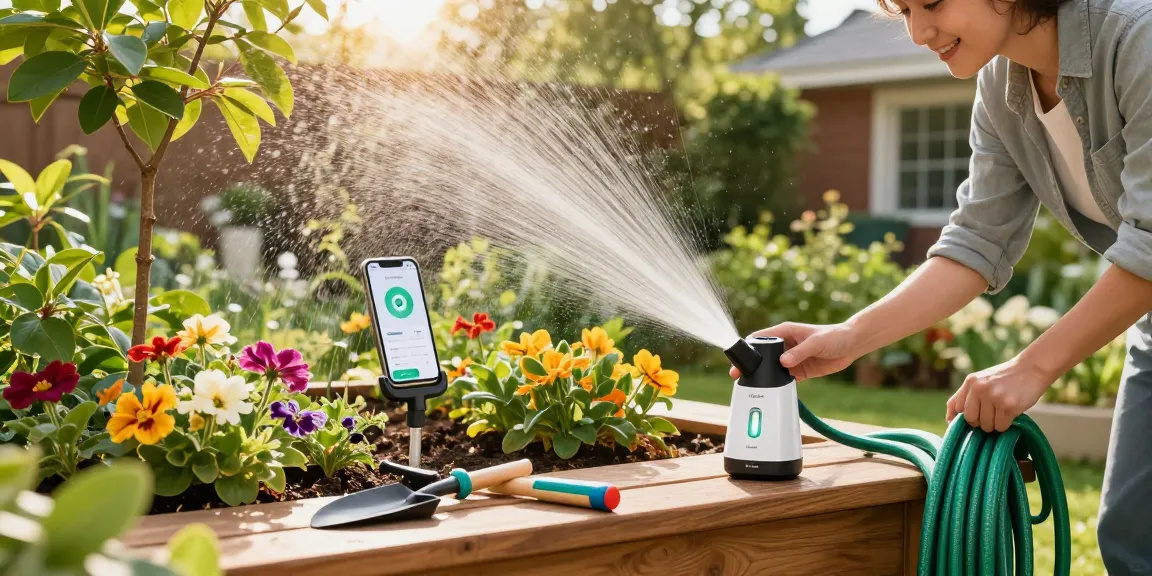

Understanding the Rainpoint Smart Sprinkler Controller
In a world increasingly attentive to sustainability and efficient resource management, the rainpoint smart sprinkler controller stands as an innovative solution for homeowners seeking to optimize their irrigation efforts. This tech-savvy device not only simplifies the watering process but also introduces a new standard for water efficiency. Through its intuitive design and powerful features, the Rainpoint controller is reshaping how we approach garden care and plant health.
What is the Rainpoint Smart Sprinkler Controller?
The Rainpoint Smart Sprinkler Controller is a cutting-edge device designed to automate the watering of gardens, lawns, and indoor plants. It operates via Wi-Fi, allowing users to manage their watering schedule from anywhere using a smartphone app. With a focus on precision and ease of use, it helps gardeners ensure their plants receive the right amount of water at the right time, thus promoting healthier growth. This integrated system can monitor environmental conditions, adjust watering schedules, and provide insights based on plant needs.
Key Features That Make It Stand Out
- Wi-Fi Connectivity: Connects to your home network, enabling remote control through the Rainpoint app.
- Soil Moisture Sensors: Monitors soil moisture content to prevent overwatering.
- Customizable Watering Schedules: Allows users to set specific times and durations for watering, optimizing plant health.
- User-friendly Interface: Simple setup and operation through an intuitive mobile app.
- Data Tracking: Provides historical data on water usage, helping you make informed decisions.
How It Enhances Water Efficiency
Water efficiency is at the heart of the Rainpoint Smart Sprinkler Controller’s design. By utilizing soil moisture sensors, the device can determine when plants truly need water instead of relying on a fixed schedule. This capability drastically reduces water waste, ensures plants get the hydration they need, and contributes to lower utility bills. Moreover, the app allows users to track their water consumption, providing valuable insights into usage patterns and potential savings.
Benefits of Using a Smart Sprinkler System
Time Savings with Automated Watering
One of the most appealing aspects of smart sprinkler systems like Rainpoint is the significant time savings they offer. Instead of spending hours manually watering plants, users can set up their sprinkler systems once and let technology do the work. Automation frees up your schedule, allowing you to focus on other gardening tasks or simply enjoy your yard.
Improving Plant Health and Growth
Using the Rainpoint Smart Sprinkler Controller helps in ensuring that your plants receive optimal hydration. Consistent watering improves plant health and encourages stronger growth. By avoiding the common pitfalls of over or under-watering, you can nurture a thriving landscape that flourishes year after year.
Reducing Water Waste and Utility Bills
Smart irrigation technology not only conserves water but can also lead to substantial savings on water bills. By ensuring that water is only used when necessary, homeowners can significantly reduce their overall consumption, contributing to both environmental sustainability and financial savings. With ongoing droughts and increasing water costs, this feature is more critical than ever.
Setting Up Your Rainpoint Smart Sprinkler Controller
Unboxing and Product Overview
Upon unboxing the Rainpoint Smart Sprinkler Controller, users will find all necessary components for setup, including the controller unit, soil moisture sensors, hoses, and an installation guide. The package is designed to ensure a straightforward installation process, with detailed instructions that help even the least tech-savvy individuals get started quickly.
Connecting to Wi-Fi and App Configuration
To begin using the Rainpoint Smart Sprinkler Controller, users must connect the device to their home Wi-Fi network. This process is generally user-friendly and involves downloading the Rainpoint app. In-app prompts guide you through setting up the controller and linking it to your Wi-Fi network. Users have reported that while the initial connection can be challenging for some, following the troubleshooting tips in the app usually resolves any issues.
Creating Your Watering Schedule
Once the controller is connected and operational, the next step is to create your watering schedule. Through the app, users can set specific days and times for watering, along with the duration. The flexibility of this feature means you can cater to the specific needs of various plants, ensuring that no section of your garden is neglected.
Troubleshooting Common Issues
Wi-Fi Connectivity Problems
While connecting the Rainpoint Smart Sprinkler Controller to Wi-Fi is generally a smooth process, some users have experienced hiccups. Common solutions include repositioning the controller closer to the router or resetting the device. Checking your router’s settings to ensure no security features are blocking device connections can also be helpful.
Watering Schedule Errors
Occasionally, users may find that their watering schedules do not execute as planned. This could stem from manual overrides or issues with the app. Ensuring that your app is updated and cross-checking the configured schedule against the current settings can often resolve these discrepancies.
App Integration Challenges
Integrating the Rainpoint Smart Sprinkler Controller with other smart home systems can sometimes present challenges. If you encounter difficulties, consult the troubleshooting section of the app or reach out to customer support. Regular updates to the app also help bridge any compatibility gaps.
Looking Ahead: Trends in Smart Irrigation
The Future of Smart Watering Technology in 2026
As we move towards 2026, smart watering technology is expected to evolve significantly. Innovations may include more sophisticated sensors capable of predicting weather patterns and automatically adjusting watering schedules accordingly. Enhanced user interfaces and further integration with smart home ecosystems will likely become standard, making irrigation management even more intuitive.
Integrating IoT Solutions in Home Gardening
The Internet of Things (IoT) is set to revolutionize home gardening. Future integrations may allow devices to communicate with each other, creating a smart ecosystem where sensors, sprinkler controllers, and even grow lights work seamlessly together to optimize plant growth and resource use.
Personalizing Your Smart Irrigation Experience
Personalization will be a key trend in smart irrigation. Users will want the ability to customize their systems based on specific plant types and growing conditions. Future systems may offer tailored watering recommendations and automatic adjustments based on real-time data analytics and machine learning algorithms.
How Can Smart Irrigation Impact Sustainability?
Smart irrigation solutions, such as the Rainpoint Smart Sprinkler Controller, play a significant role in promoting sustainability. By minimizing water waste and enhancing plant health, these technologies contribute not only to individual gardens but also to broader environmental goals, such as conserving precious freshwater resources and reducing the carbon footprint of gardening practices.